BUSINESS
assets-in-one-place: The Smarter Way to Organize, Manage, and Access Everything That Matters

Published
1 month agoon
By
Bryan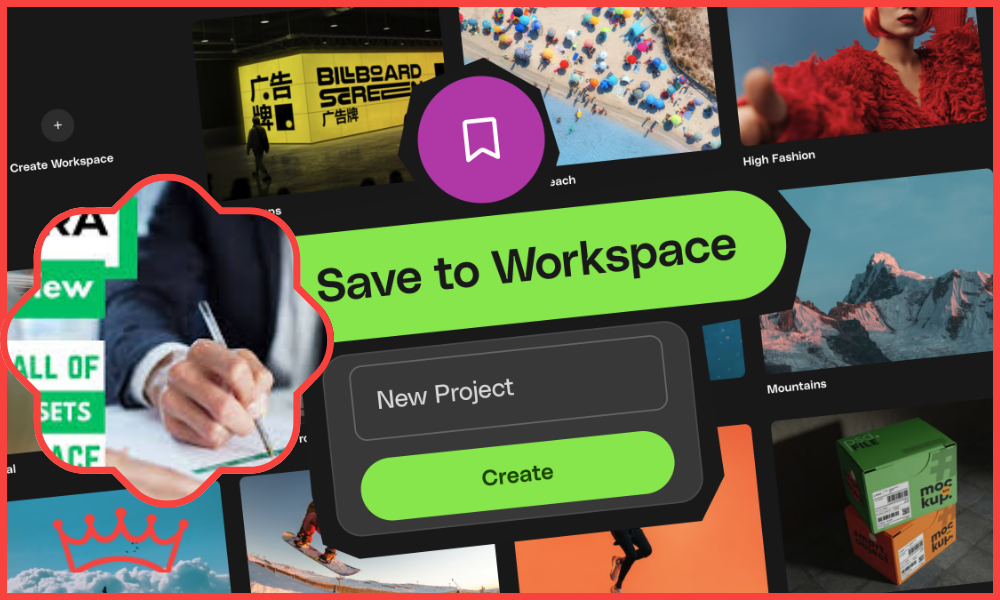
The idea behind assets-in-one-place is simple, but its value is huge. People and businesses create, store, and use files every day, yet many still struggle with scattered folders, outdated versions, lost documents, and messy workflows. That is why the phrase assets-in-one-place has become so appealing. It points to a more organized system where important files, visuals, documents, media, and working resources live in one manageable location instead of being spread across emails, devices, and random cloud folders. In a digital world where speed and clarity matter, this concept is closely connected to digital asset management, workflow efficiency, and better collaboration.
Quick Overview
| Category | Details |
|---|---|
| Focus Keyword | assets-in-one-place |
| Main Meaning | Centralized access to all important digital assets |
| Common Use | Files, documents, images, videos, brand resources, business materials |
| Main Benefit | Better organization and faster access |
| Best For | Businesses, teams, creators, agencies, and growing brands |
| Key Advantage | One source of truth for all important assets |
| Major Challenge Solved | Scattered files and version confusion |
| Long-Term Value | Higher productivity and smoother workflow |
| SEO Intent | Informational |
| Article Focus | Benefits, uses, structure, and practical value |
What Does assets-in-one-place Mean?
At its core, assets-in-one-place means keeping your important digital materials in one well-structured system instead of storing them across multiple locations. Those assets can include documents, logos, brand files, product photos, videos, contracts, reports, templates, spreadsheets, design resources, and other materials that people or teams need regularly. The phrase sounds straightforward because it is straightforward. Still, its impact reaches far beyond basic storage. It changes the way people work, search, share, and collaborate.
Many people do not realize how much time gets wasted when assets are spread across laptops, external drives, messaging apps, email threads, old downloads folders, and several unrelated cloud accounts. Even when the files technically exist, they are often hard to find, poorly named, or saved in the wrong version. A system built around assets-in-one-place solves that problem by creating one dependable environment for everything essential.
Why This Idea Matters More Than Ever
The digital world moves fast. Teams create more content than ever before. Businesses manage product images, contracts, sales decks, invoices, ad creatives, social media graphics, website files, and internal documents every single day. As that volume grows, disorder grows with it. What worked for a small setup often becomes stressful when a company expands, adds more people, or handles multiple projects at the same time.
That is why assets-in-one-place is no longer just a convenience. For many businesses, it has become a competitive advantage. When files are easy to access, work moves faster. When the correct version is always available, mistakes decrease. When all assets are organized in a central system, teams waste less time searching and more time executing. In practical terms, that can improve delivery speed, reduce confusion, and create a more professional workflow.
The Real Problem With Scattered Assets
The biggest reason people search for a better system is frustration. Scattered assets create daily problems that slowly damage efficiency. A designer may use an outdated logo. A writer may miss the newest document version. A marketing manager may lose time searching for approved campaign graphics. A business owner may store contracts in one drive, invoices in another, and photos somewhere else entirely. None of these issues sounds dramatic on its own, yet together they create constant friction.
The problem becomes even worse when multiple people are involved. Once teams begin sharing assets through chat apps, email attachments, and temporary folders, confusion multiplies. People start asking the same questions repeatedly. Files get duplicated. Naming becomes inconsistent. Permissions become unclear. Nobody knows which version is final. The phrase assets-in-one-place sounds attractive because it directly answers this pain point. It promises simplicity where chaos once existed.
How assets-in-one-place Improves Workflow
A centralized asset system improves workflow because it removes unnecessary steps. Instead of jumping between several platforms or asking coworkers where something is stored, users know where to start. That certainty alone makes a huge difference. It saves time, reduces interruptions, and improves confidence in the work process.
A smoother workflow also means people can move from searching to doing. Teams stop wasting energy on file hunting and start focusing on tasks that actually produce results. For example, a content team can access approved brand materials faster. A sales team can retrieve presentation files without delay. A web team can locate updated media without opening ten different folders first. Over time, this kind of clarity creates more consistent performance and better use of time.
A Better System for Businesses
Businesses benefit from assets-in-one-place because it supports structure, accountability, and growth. A small business may begin with simple folders, but growth creates complexity. As more staff, clients, departments, and projects come in, the number of digital assets increases quickly. Without a clear system, that growth starts creating confusion rather than progress.
A centralized asset model allows businesses to stay organized as they expand. It helps maintain brand consistency because everyone uses the same approved resources. It supports professional communication because documents are easier to locate and share. It also reduces risk because essential files are less likely to disappear into private devices or forgotten inboxes. A business that organizes its digital resources well often appears more reliable, more efficient, and more prepared.
Why Creators and Agencies Need It Too
The value of assets-in-one-place is not limited to large organizations. Freelancers, creators, agencies, and consultants also benefit from it. In fact, they often feel the need for it even more strongly because they work across many projects and handle several types of files at once. A creator may have raw footage, final edits, thumbnails, scripts, invoices, and client notes. An agency may manage branding files, campaign creatives, analytics reports, proposals, and approval documents for several clients simultaneously.
Without a central structure, creative work becomes harder to scale. Assets get mixed across projects. Revisions become messy. Delivery slows down. By keeping assets in one place, creators and agencies can build a cleaner operating system for themselves. That leads to better client service, stronger organization, and less daily stress.
The Connection Between Organization and Speed
People often treat organization as a passive habit, but in digital work it directly affects speed. When a system is organized, tasks move faster because fewer decisions are needed. You do not have to remember where you put something or which folder might contain the right file. You simply go to the place where everything important is meant to live.
This is one of the strongest reasons the assets-in-one-place model works so well. It does not just store information. It reduces mental clutter. That matters because every small interruption breaks focus. If a person loses momentum five or six times a day while searching for files, productivity drops more than most people realize. Centralization restores that momentum and helps work flow in a more natural way.
Version Control Becomes Easier
One of the most frustrating parts of digital work is version confusion. There may be a file called final, another called final-new, another called final-latest, and one more called final-real. That kind of naming problem is familiar to almost everyone who works online. It sounds funny until it creates a costly mistake.
A proper assets-in-one-place system improves version control because it creates structure around updates. Instead of scattered copies living in different chats and folders, teams can rely on one controlled source. That means fewer errors, clearer approval stages, and stronger confidence in what is current. In busy environments, that alone can justify the entire system.
It Supports Better Collaboration
Collaboration works best when everyone can access what they need without unnecessary delays. When assets are stored in several places, collaboration slows down because people keep depending on each other for basic access. One person has the image. Another has the contract. Someone else has the latest deck. That setup creates bottlenecks.
The assets-in-one-place approach removes many of those bottlenecks. It gives teams a shared base of resources and reduces unnecessary dependency. Instead of asking, waiting, and following up, people can move ahead with confidence. That makes teamwork smoother and reduces tension between departments or contributors. It also makes onboarding easier because new team members can understand the system faster.
Brand Consistency Gets Stronger
Brand consistency matters for businesses, media teams, ecommerce stores, agencies, and creators. When people use the wrong logo, outdated brand colors, older templates, or unapproved visuals, the brand begins to look inconsistent. That weakens trust and makes even good work feel less polished.
With assets-in-one-place, approved materials can be stored and categorized clearly. That makes it easier for everyone to use the correct files. Over time, this creates a stronger visual identity and a more unified public presence. For any brand that values trust and professionalism, centralized assets are not a minor technical improvement. They are part of maintaining quality.
Security and Control Matter Too
Centralizing assets is not only about convenience. It is also about control. When files are spread across personal devices, old chats, and multiple accounts, security becomes harder to manage. Access permissions may be unclear. Sensitive materials may remain on platforms where they should no longer exist. Important documents may be downloaded and forgotten.
A thoughtful assets-in-one-place system can improve this by making access, storage, and management more intentional. It becomes easier to define who can view, edit, download, or share specific materials. That does not make every risk disappear, but it creates a more professional foundation for handling digital resources responsibly.
What Types of Assets Belong in One Place?
The phrase assets-in-one-place can apply to a wide range of materials. It is not limited to just photos or documents. In many cases, a strong system includes brand files, product images, ad creatives, reports, proposals, contracts, training materials, spreadsheets, website content, downloadable resources, video files, social media templates, and archived project records.
The exact contents depend on the person or business using the system. A media company may focus heavily on graphics and video. A service business may prioritize proposals, contracts, and documents. An ecommerce store may depend on product assets and brand visuals. The idea stays the same in every case: keep critical materials organized and accessible in one trusted place.
How to Build an assets-in-one-place Mindset
The phrase is useful not only as a system but also as a mindset. People often think the solution is just buying a storage tool, but the real change begins with thinking differently about organization. The goal is not to save everything everywhere. The goal is to decide where your important assets truly belong and make that place dependable.
That requires consistency. Files need clear naming. Folders need logic. Permissions need intention. Old materials need review. Teams need habits that support the system instead of working around it. When the mindset is right, the platform becomes more useful. Without that mindset, even a strong tool can become another messy storage space over time.
Common Mistakes People Make
A lot of people try to centralize assets but still keep bad habits that weaken the system. One common mistake is storing the official version in one place while still sending outdated copies through chat or email. Another mistake is creating too many folders without a clear structure. Some users also fail to define naming conventions, which makes files harder to locate later.
Another big mistake is assuming everyone understands the system without explanation. Even a good asset library can fail if nobody knows how to use it consistently. That is why assets-in-one-place works best when the system is practical, simple, and actively maintained. Complexity usually hurts more than it helps.
Why the Keyword assets-in-one-place Has Strong Appeal
From an SEO and reader-interest point of view, assets-in-one-place is appealing because it sounds solution-focused. It immediately suggests convenience, order, and clarity. It also fits a wide range of user intent. Some readers may be looking for digital asset management ideas. Others may be trying to improve business operations, organize client work, or simplify personal digital storage.
The keyword also has a modern feel. It sounds useful, direct, and practical. That makes it attractive both for readers and for content strategy. A phrase like this naturally connects to productivity, collaboration, organization, technology, and workflow topics without sounding too technical or too narrow.
The Long-Term Value of Centralized Assets
The long-term value of assets-in-one-place becomes clearer over time. In the short term, it saves effort and reduces confusion. In the long term, it creates a stronger operating system for work itself. Teams scale more smoothly. Businesses protect their resources better. Creators maintain more control over projects. Processes become easier to repeat and improve.
That long-term value matters because digital growth often creates invisible complexity. What starts as a few folders can quickly become a tangled archive of half-organized materials. A centralized approach prevents that problem from growing unchecked. It gives structure to the future, not just the present.
Conclusion
assets-in-one-place is more than a catchy phrase. It reflects a practical shift toward clarity, control, and smarter digital organization. In a world where files are constantly created, shared, revised, and reused, scattered storage creates more friction than most people realize. A centralized system solves that by giving individuals and teams one trusted location for important materials.
The real power of assets-in-one-place lies in what it removes: wasted time, version confusion, collaboration bottlenecks, and everyday disorder. At the same time, it strengthens what matters most: speed, consistency, access, and confidence. Whether the goal is business growth, smoother teamwork, better client delivery, or less digital chaos, this idea has real value. That is why the concept continues to resonate. It is simple, relevant, and deeply useful.
FAQs
What does assets-in-one-place mean?
It means keeping all important digital files and working materials in one organized, central location instead of scattering them across multiple platforms or devices.
Why is assets-in-one-place important?
It improves organization, saves time, reduces confusion, and helps people or teams access the right files more quickly.
Who can benefit from assets-in-one-place?
Businesses, agencies, freelancers, creators, ecommerce stores, and growing teams can all benefit from a centralized asset system.
Does assets-in-one-place only apply to business files?
No. It can include images, videos, templates, reports, contracts, brand files, project documents, and many other digital resources.
How does assets-in-one-place help collaboration?
It gives teams one shared place to access approved files, which reduces delays, confusion, and repeated requests for the same materials.
Is assets-in-one-place the same as cloud storage?
Not exactly. Cloud storage can be part of it, but the idea also includes structure, organization, version control, and easier access to important resources.
You may like
BUSINESS
Who Is Kristin Grannis? Her Private Life, Career, and Connection to Jamie Foxx
Published
1 month agoon
May 7, 2026By
Bryan
Kristin Grannis is best known to many readers because of her connection to Jamie Foxx, but public interest in her goes beyond celebrity gossip. She has remained a notably private figure despite years of curiosity around her personal life, her background, and her role as the mother of Foxx’s younger daughter, Anelise. Public reporting has consistently identified Grannis as Foxx’s former partner and the mother of their daughter, who was born in 2008, yet Grannis herself has stayed largely outside interviews, entertainment headlines, and self-promotion. That quiet approach is exactly what makes her story so interesting to readers who want to know more.
Quick Bio
| Category | Details |
|---|---|
| Full Name | Kristin Grannis |
| Known For | Connection to Jamie Foxx |
| Public Role | Private figure and mother of Anelise |
| Daughter | Anelise Bishop |
| Nationality | American |
| Profession | Reportedly worked in PR; later described in media as a therapist |
| Relationship Status | Previously linked to Jamie Foxx |
| Public Presence | Very limited |
| Social Media | Not publicly prominent |
| Current Image | Private, low-profile lifestyle |
Who Is Kristin Grannis?
Kristin Grannis is one of those names that frequently appears in searches because she is connected to a major celebrity, yet very little about her has been publicly commercialized. That makes her different from many celebrity-linked personalities who eventually become influencers, reality figures, or regular red-carpet names. Instead, Grannis has remained almost entirely defined by selective public mentions, paparazzi photographs, and brief media references tied to Jamie Foxx and their daughter. This limited visibility has made her biography more intriguing than many more public celebrity-adjacent figures. When people search her name, they are usually looking for a clearer picture of who she is as a person rather than simply as part of Foxx’s relationship history. Public coverage consistently points to the same core facts: she had a past relationship with Foxx, they share a daughter named Anelise, and she has maintained a low public profile over the years.
Why Kristin Grannis Draws So Much Interest
There is a simple reason Kristin Grannis continues to attract attention online: mystery creates interest. In the current celebrity era, people are used to seeing endless posts, interviews, and updates from the circles surrounding famous actors and musicians. Grannis represents the opposite of that pattern. She is discussed, but she does not appear to chase public attention. Because of that, every confirmed detail about her life tends to receive more attention than it otherwise would. Readers want to understand her background, her personality, and how she has handled being linked to one of Hollywood’s most recognizable entertainers while still staying mostly out of view. That contrast between public curiosity and personal privacy is what gives her story lasting search value. Her name is not constantly in headlines, but it continues to surface whenever people look into Foxx’s family life, his daughters, or the women connected to important chapters of his life.
Her Connection to Jamie Foxx
Kristin Grannis is most widely known through her past relationship with Jamie Foxx. Public reports indicate that Foxx and Grannis dated in 2008, and media coverage has repeatedly identified her as the mother of his younger daughter, Anelise. Although Foxx has famously kept much of his romantic life private, Grannis has remained part of the public conversation because her connection to him is tied not only to past dating history but also to their shared role as parents. That distinction matters. She is not just remembered as a former girlfriend in the celebrity-news sense. She is someone still connected to a major figure through family. This ongoing family connection is one reason public attention around her never fully disappears, even when there is no active relationship story in the news.
Kristin Grannis and Anelise Bishop
One of the strongest reasons people search for Kristin Grannis is her daughter, Anelise Bishop. People has repeatedly reported that Jamie Foxx shares Anelise with Grannis, and later stories about Foxx’s daughters have kept that connection visible. Anelise has gradually become more publicly noticed through family-related coverage, especially as Foxx has spoken warmly about his daughters and brought them to public events. Reports in 2024 and 2025 continued to identify Anelise as the daughter he shares with Grannis, which keeps Kristin’s name relevant even though she herself remains low-profile. In that way, Grannis occupies an unusual public position. She is not especially visible, but her importance in Foxx’s family story is clear and repeatedly acknowledged in mainstream coverage.
A Life Largely Kept Private
Privacy is the defining theme of Kristin Grannis’s public image. Unlike many people associated with celebrities, she has not built a media brand around her personal life. There are no widely known long-form interviews from her, no major public image campaign, and no strong public social-media presence driving her story. This silence has shaped how she is viewed. Rather than being understood through her own public statements, she is mostly understood through brief references in reporting about Jamie Foxx and Anelise. That means her biography is still pieced together from limited fragments instead of a full self-presented narrative. For readers, that makes her more compelling. It also means any profile on Kristin Grannis has to be careful, measured, and rooted in what can actually be confirmed in public reporting.
Reported Career Background
Part of the interest around Kristin Grannis involves what she has done professionally outside of her relationship with Foxx. Some media reports have described her as having worked in public relations, while other coverage has referred to her as a therapist or psychotherapist. Because Grannis has not publicly built a personal media profile around her work, details about her professional life are less widely documented than the celebrity connection that made her name searchable. Still, the pattern in entertainment coverage suggests that she has had a real professional identity outside Hollywood gossip. That matters because it helps shift the image of Grannis away from being seen only through a celebrity lens. She appears, at least from the way she is described, to be someone whose life has included her own career path and professional routine, even if the public does not know every detail.
Public Sightings and Continued Curiosity
Although Kristin Grannis generally stays out of the spotlight, occasional public sightings have kept her name circulating. People’s dating-history coverage noted that Foxx was photographed with Grannis in Los Angeles in August 2023, which reinforced the idea that they have remained connected as co-parents even after their romantic relationship ended. Public appearances like that often generate renewed interest because they lead readers to ask the same questions again: Are they close? Are they just co-parenting? What is her life like now? The key point is that even a single public sighting can bring Grannis back into search trends because so little of her life is otherwise visible. When a person is rarely seen, each appearance carries more weight.
The Image of a Low-Drama Celebrity Connection
Another reason Kristin Grannis stands out is that her public image has not been driven by visible controversy. Many celebrity relationships remain in headlines because of repeated disputes, interviews, or social-media tension. With Grannis, the opposite seems true. The public image around her is quieter and more restrained. Coverage tends to focus on family context, her connection to Foxx, and their daughter rather than a cycle of public conflict. That more subdued public framing has helped create an impression of maturity and distance from Hollywood spectacle. Even when her name appears in entertainment coverage, it is usually because she remains part of Foxx’s family circle through their daughter rather than because she is trying to re-enter the public eye.
Kristin Grannis and the Appeal of Private Lives
Celebrity culture often creates an interesting effect: the less someone reveals, the more people want to know. Kristin Grannis fits that pattern perfectly. She is connected to a global celebrity, but she does not appear to have used that connection to build fame. That absence of self-promotion makes her name more compelling in search. Many readers find private figures more interesting than openly public ones because they feel less familiar and less predictable. With Grannis, the public sees only the edges of the story. There is family, there is a celebrity connection, and there are occasional reminders that she remains relevant in that world. But there is also distance, which creates the sense that there is more to know than what is publicly available. That is a major part of her appeal as a search topic.
What Her Story Says About Life Around Fame
Kristin Grannis’s public profile also reflects a broader truth about people connected to major stars. Not everyone wants public life, even when public life finds them. Some people stay grounded in family, career, and personal boundaries instead of turning visibility into a platform. Based on the limited but consistent public reporting around Grannis, she appears to fit that quieter pattern. Her name may attract attention because of Jamie Foxx, but the enduring angle is really about how she has remained private despite that connection. In a world where visibility is often treated like a goal, her low-profile presence feels unusual. That makes her story not only relevant to celebrity readers, but also to anyone interested in how people manage proximity to fame without becoming consumed by it.
Kristin Grannis’s Lifestyle Today
There is very little confirmed public information about Kristin Grannis’s day-to-day lifestyle today, and that is important to acknowledge honestly. What can be said is that she has continued to maintain a low public profile over the years, even as Foxx’s family life occasionally comes back into focus through media coverage. Rather than being defined by public interviews, branding, or online visibility, her image remains tied to privacy, family, and discretion. For many readers, that low-profile lifestyle is itself part of the story. Kristin Grannis does not stay relevant because she constantly reintroduces herself to the public. She stays relevant because public interest keeps returning to someone who clearly prefers life away from attention.
Why Her Name Still Trends in Search
The search interest around Kristin Grannis is driven by a mix of biography, celebrity connection, and family relevance. People want to know who she is, what she does, whether she and Foxx remained close, and how her life has unfolded outside public fame. Every fresh mention of Anelise or Foxx’s family tends to renew those questions. That is why her name remains a recurring search topic even without a large body of direct public material. She is part of a celebrity story, but she also represents something rarer: a person who never fully became public, even after becoming publicly interesting. That unusual balance is why she continues to draw attention.
Conclusion
Kristin Grannis remains an intriguing figure because she occupies a rare space between public curiosity and personal privacy. She is widely known because of her connection to Jamie Foxx and because she is the mother of his daughter, Anelise, yet she has never seemed interested in turning that recognition into public fame. That alone makes her stand out. In an era when visibility is often used as a tool, Grannis has remained low-key, measured, and difficult to define beyond the few details confirmed in mainstream reporting.
That is also why her story continues to resonate. Readers are not only interested in her relationship to Jamie Foxx. They are interested in the woman herself, the private life behind the headlines, and the quiet presence that has remained relevant without ever becoming loud. Kristin Grannis may not be a constant celebrity headline, but she remains a memorable name because mystery, family, and privacy are still powerful forces in public fascination.
FAQs
Who is Kristin Grannis?
Kristin Grannis is publicly known as Jamie Foxx’s former partner and the mother of his younger daughter, Anelise.
Is Kristin Grannis married to Jamie Foxx?
Public reporting identifies Grannis as Foxx’s former partner, not his wife.
Does Kristin Grannis have a child with Jamie Foxx?
Yes. Jamie Foxx shares his younger daughter, Anelise, with Kristin Grannis.
What does Kristin Grannis do?
Media coverage has described her as having worked in PR and later as a therapist, though she keeps her professional life largely private.
Why is Kristin Grannis famous?
She is mainly known because of her connection to Jamie Foxx and her role in his family story as the mother of Anelise.
Is Kristin Grannis active on social media?
She does not appear to have a major public-facing social-media presence tied to her celebrity association.
BUSINESS
Impacting Businesses Today: The Biggest Forces Reshaping Growth, Costs, and Competition in 2026
Published
1 month agoon
May 1, 2026By
Bryan
When people search for impacting businesses today, they usually want a clear answer to one question: what is actually making business harder, riskier, or more competitive right now? The answer is no longer just inflation or consumer demand alone. Businesses in 2026 are operating in a world shaped by policy uncertainty, trade friction, rapid artificial intelligence adoption, cybersecurity exposure, labor challenges, and changing investment decisions. At the same time, companies are still being pushed to grow, stay efficient, and build trust with customers. That mix is why this topic matters so much now. Even broad global institutions and industry research groups are pointing to the same direction: uncertainty is elevated, geoeconomic pressure is rising, AI is moving from experiment to business infrastructure, and cyber risk is becoming more operational than optional.
Quick Overview
| Category | Details |
|---|---|
| Main Topic | impacting businesses today |
| Core Focus | Trends and pressures shaping business in 2026 |
| Biggest Economic Issue | Uncertainty and trade pressure |
| Biggest Technology Shift | AI moving from testing to real use |
| Biggest Risk Area | Cybersecurity and third-party exposure |
| Workforce Pressure | Hiring quality, skills, and productivity |
| Operational Concern | Supply chain and cost resilience |
| Best Business Response | Adapt faster, manage risk better, invest wisely |
Why This Topic Matters More Than Ever
Business owners used to be able to separate short-term problems from long-term strategy. That line has become much harder to see. A company may be dealing with slower sales this quarter while also trying to decide whether to invest in AI, protect customer data better, restructure supply partners, or prepare for higher trade barriers. The pressure is not coming from one direction. It is coming from many directions at once. That is why the phrase impacting businesses today has become more meaningful than a simple trend keyword. It reflects the daily reality of companies that must react fast without losing focus on long-term stability. Research from the IMF, NFIB, World Economic Forum, and major industry analysts all points to a business environment where uncertainty is not temporary noise but a core operating condition.
Economic Uncertainty Is Still Leading the Conversation
One of the clearest forces impacting businesses today is uncertainty around economic conditions and future investment decisions. The NFIB’s March 2026 data showed its Uncertainty Index rising to 92, far above its historical average of 68, while owners also became less confident about whether it was a good time to expand. That matters because uncertainty changes behavior before a crisis fully appears. Businesses delay hiring, postpone capital spending, become more cautious with inventory, and protect cash instead of pursuing aggressive growth. In practice, this means many firms are not simply asking, “Can we grow?” They are asking, “Is now the right time to commit?”
Trade Pressure and Global Fragmentation Are Changing Business Planning
Another major issue impacting businesses today is the broader shift toward a more fragmented global economy. The World Economic Forum’s 2026 Global Risks Report says geoeconomic confrontation now ranks as the top short-term and two-year global risk, while the IMF notes that higher trade barriers and elevated uncertainty have been weighing on the outlook even as technology investment offers some support. For businesses, this does not stay at the level of headlines. It shows up in sourcing decisions, supplier risk reviews, pricing pressure, import costs, regional market planning, and even contract structure. Companies that once optimized only for low cost now have to think more seriously about resilience, political exposure, and where future disruption may come from.
AI Is No Longer Just a Trend Word
Artificial intelligence is one of the biggest positive and disruptive forces impacting businesses today. The change in 2026 is not that companies are merely discussing AI. The change is that they are trying to operationalize it. Deloitte says most finance departments it studied are now piloting AI use cases, with 63% actively using AI solutions, while McKinsey describes top CIOs as rewiring their companies for growth through agentic AI and data monetization. That tells us something important: AI has moved beyond curiosity. It is now entering core workflows, decision support, automation, and productivity planning. Businesses that ignore it risk falling behind, but businesses that adopt it poorly risk wasting money or creating new vulnerabilities.
The Real AI Question Is Not Whether to Use It
For many companies, the real question is no longer whether AI matters. It is how to use it without losing control of costs, quality, compliance, and trust. This is where many business leaders are struggling. AI promises efficiency, better forecasting, improved customer support, and faster internal work. At the same time, it raises hard questions around data governance, model reliability, employee training, and return on investment. Businesses are increasingly realizing that buying tools is easy, but redesigning processes is hard. That is why the winners in this cycle may not be the companies that talk the most about AI, but the ones that integrate it carefully into the places where it creates measurable value.
Cybersecurity Has Become a Board-Level Business Issue
Cybersecurity is another major force impacting businesses today, and it is growing more serious as firms become more connected and more dependent on cloud tools, software vendors, and public-facing digital platforms. IBM reported that supply-chain and third-party breaches increased sharply over the past five years, with incidents quadrupling, and it also observed a 44% year-over-year increase in the exploitation of public-facing applications. That should concern every business, not just large enterprises. Many attacks now happen through trusted relationships, weak configurations, exposed applications, or overlooked integrations. In other words, risk often enters through ordinary business operations.
Third-Party Risk Is Now a Daily Operational Risk
A decade ago, many businesses treated cybersecurity as mainly an IT department matter. That approach no longer fits the way companies operate. Today, almost every business depends on vendors, identity systems, cloud software, payment tools, communications platforms, and outsourced digital infrastructure. That means a business can make strong internal security choices and still be exposed through a partner. For small and mid-sized companies especially, this is a difficult shift because they often lack deep internal security teams. The practical result is that cybersecurity now affects budgeting, procurement, vendor selection, legal review, customer trust, and brand reputation all at once. It is not just about preventing attacks. It is about building a business model that can absorb shocks and keep operating.
Labor Quality and Skills Gaps Continue to Hurt Growth
Hiring is still a major pressure point impacting businesses today. NFIB’s March 2026 survey found that 32% of owners had job openings they could not fill, above the historical average of 24%, while 15% said labor quality was their single most important problem, also above the historical average. Those numbers matter because they show labor pressure has not disappeared even when economic confidence softens. Businesses are still dealing with the same painful contradiction: they want better productivity and stronger performance, but the talent market does not always deliver the right mix of availability, quality, and affordability.
Workforce Problems Are Becoming Productivity Problems
The labor challenge is not simply about headcount. It is increasingly about capability. Businesses need people who can sell effectively, solve problems quickly, work with digital tools, adapt to new systems, and manage customers well. In a year when AI is changing workflows, the workforce issue also becomes a reskilling issue. Companies do not just need employees. They need employees who can work in more digital, faster-moving, and more data-driven environments. That is why training, retention, workflow design, and team structure are becoming more important than traditional hiring alone. A business may not solve its labor problem only by adding more people. It may solve it by upgrading how work is done.
Sales Pressure and Expansion Caution Are Back in Focus
Another important factor impacting businesses today is the weakening confidence around sales and expansion. NFIB reported that expected business conditions fell in March and that only 11% of owners said it was a good time to expand, below the historical average. The same report also showed weaker recent sales and lower profit trends. These are meaningful signals because they show many businesses are balancing hope with caution. Even when they see opportunities, they are not always confident enough to make large commitments. That can slow expansion plans, delay equipment purchases, or reduce marketing risk-taking.
Supply Chains Still Matter More Than Some Businesses Admit
Supply chains are still impacting businesses today, even if the conversation around them is not as loud as it was during the peak disruption years. NFIB reported in March that 62% of small business owners said supply chain disruptions affected their business to some extent. That figure is a reminder that operational friction has not vanished. Delays, uneven shipping performance, regional instability, and vendor concentration still affect costs, timelines, and customer experience. At the same time, the broader global conversation around fragmentation and trade barriers is making supply strategy more complex. The modern supply chain is no longer just a logistics issue. It is a resilience issue tied to growth, service quality, and margin protection.
Investment Decisions Are Becoming More Strategic
Many businesses today are rethinking what deserves capital and what can wait. That is a direct response to the combination of uncertainty, weaker confidence, and technology change. NFIB’s March 2026 report showed lower capital spending expectations, while broader business research points to companies investing more selectively in technology, productivity, and defensible growth. This matters because the investment playbook has changed. Businesses are less likely to spend broadly and more likely to ask whether a project improves resilience, automation, data quality, labor efficiency, or customer retention. Spending for the sake of growth feels less attractive than spending for durability and measurable return.
Trust, Reputation, and Adaptability Are Competitive Assets Now
One of the most overlooked things impacting businesses today is the growing value of trust. In uncertain markets, customers become more selective. Employees become more cautious. Partners become more careful. Investors become more demanding. That means companies now compete not only on price and product, but also on reliability, clarity, responsiveness, and confidence. A business that communicates well, protects data, delivers consistently, and adapts without panic often builds a stronger position than a competitor that simply grows faster for a short period. In this kind of environment, adaptability becomes a real commercial advantage.
What Smart Businesses Are Doing Right Now
The strongest businesses in 2026 are not waiting for conditions to become simple again. They are adjusting early. Many are reviewing vendor concentration, tightening cybersecurity standards, training staff for AI-supported workflows, holding cash more carefully, and choosing fewer but better growth bets. They are also paying closer attention to what customers truly value rather than relying on older demand assumptions. This shift is important because it reflects discipline, not fear. The companies most likely to stay strong are often the ones that reduce fragility before they are forced to.
The Biggest Lesson From 2026 So Far
The biggest lesson from everything impacting businesses today is that volatility is no longer a side issue. It is part of the business model itself. Economic uncertainty, technology acceleration, cyber risk, talent quality, and fragmented trade conditions are not isolated topics. They now interact with each other. A hiring problem affects AI adoption. AI adoption affects cyber risk. Cyber risk affects customer trust. Trade pressure affects cost structure. Cost pressure affects investment choices. Once business leaders understand that these pressures are connected, their strategy gets better. They stop chasing one fix for one problem and start building a company that can handle many shocks at once.
Conclusion
If you want the clearest answer to what is impacting businesses today, it is this: businesses are being shaped by a combination of uncertainty, technology change, labor pressure, cyber exposure, and global fragmentation all at the same time. That is why so many companies feel pressure even when one or two headline indicators seem stable. The environment is more layered than it looks. Growth still exists, but it now requires sharper decisions, better systems, and more resilience than before.
The businesses most likely to perform well from here are not necessarily the largest or the loudest. They are the ones that understand what is changing, act early, protect trust, and invest with discipline. In 2026, that kind of business does more than survive. It puts itself in position to grow while others remain stuck reacting.
FAQs
What is impacting businesses today the most?
The biggest pressures in 2026 are economic uncertainty, trade and fragmentation risks, AI-driven change, cybersecurity exposure, labor quality challenges, and more cautious investment behavior.
Why is AI impacting businesses today so strongly?
Because AI is moving from experimentation into real business use. Companies are now trying to use it for automation, decision-making, finance, productivity, and growth rather than just testing it casually.
Is cybersecurity really a business growth issue now?
Yes. Cybersecurity now affects customer trust, vendor relationships, brand reputation, operating continuity, and compliance. It is no longer just a technical issue.
Are small businesses facing the same pressures as large businesses?
Yes, though the scale is different. Small businesses are also dealing with uncertainty, hiring challenges, inflation-related pricing pressure, weaker expansion confidence, and supply chain disruption.
What should businesses focus on first in this environment?
Most businesses should focus first on resilience: tighter cash discipline, better cyber hygiene, smarter technology adoption, stronger workforce capability, and more reliable supply and vendor planning.
BUSINESS
best-creators: The Digital Talent, Influence, and Creative Power Driving Online Culture
Published
1 month agoon
April 27, 2026By
Bryan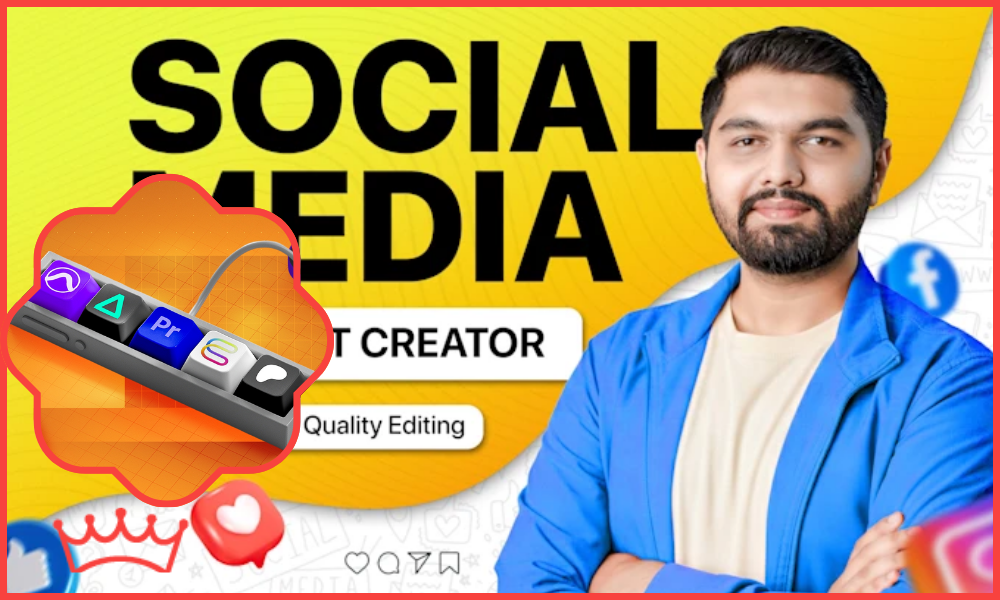
The keyword best-creators reflects a growing interest in the people who shape today’s digital world through ideas, storytelling, entertainment, education, and community building. In many ways, the modern content creator has become one of the most powerful figures online. Creators are no longer seen as side personalities posting casual content for attention. They now influence consumer trends, social conversations, business strategies, and even the way people learn new skills. That is why the phrase best-creators attracts so much attention. People want to know who stands out, what makes them successful, and why certain creators continue to dominate online spaces while others fade quickly.
Quick Facts About best-creators
| Category | Details |
|---|---|
| Focus Keyword | best-creators |
| Main Topic | Top digital creators and what makes them successful |
| Industry | Content creation, social media, digital media |
| Core Strengths | Creativity, consistency, originality, audience trust |
| Popular Platforms | YouTube, TikTok, Instagram, Twitch, podcasts, newsletters |
| Revenue Sources | Ads, sponsorships, brand deals, products, memberships |
| Key Challenge | Staying relevant without losing authenticity |
| Audience Interest | Influence, growth, income, quality, and personal brand |
| Long-Term Value | Community, trust, adaptability, and unique voice |
What Does best-creators Really Mean?
The phrase best-creators does not only refer to the most famous names on the internet. It also points to the creators who know how to connect with an audience in a meaningful and lasting way. Some creators become widely recognized because of huge follower counts, but numbers alone do not always tell the full story. The best creators are often the ones who build trust over time, maintain a clear identity, and deliver content that feels both consistent and fresh. Their work makes people return again and again, not simply because it is popular, but because it offers value. That value may come in the form of entertainment, education, inspiration, commentary, or emotional connection.
Why best-creators Matter More Than Ever
In the past, traditional media controlled most public attention. Television, film studios, publishing houses, and major news organizations had the strongest reach. Today, creators can build their own audiences directly. That shift has completely changed the online landscape. The best-creators now hold influence that once belonged only to celebrities, journalists, or established brands. They can recommend products, shape trends, introduce ideas, and build entire communities around shared interests. Their impact stretches across fashion, gaming, beauty, business, travel, health, technology, and lifestyle. This influence is the reason brands watch creators closely and audiences remain loyal to them.
The Qualities That Make best-creators Stand Out
Not every creator becomes memorable. Many people upload content, but only a smaller number truly stand out. The best-creators usually share a few key qualities. First, they understand their audience deeply. They know what people care about and how to present that in a way that feels natural. Second, they have a recognizable voice. That voice may be funny, sharp, emotional, calm, bold, or highly informative, but it feels distinct. Third, they are consistent. Their audience knows what kind of quality and tone to expect. Finally, they evolve without losing their core identity. The internet changes quickly, so creators who remain static often struggle. The best ones adapt while still feeling true to themselves.
Creativity Still Sits at the Center
Despite all the talk about algorithms, monetization, and brand deals, creativity remains the foundation of success. The best-creators are not only strategic. They are imaginative. They can take a familiar topic and make it feel new. They can turn everyday moments into content people actually want to watch, read, or share. Some creators succeed with polished production, while others thrive with simplicity. What matters more is the strength of the idea and the clarity of execution. Creativity is what keeps content from feeling repetitive. It is also what helps creators stand out in crowded digital spaces where countless posts compete for attention every single day.
best-creators Build Trust, Not Just Reach
Audience trust is one of the biggest differences between a temporary viral hit and a long-term creator career. The best-creators do not only chase views. They build relationships with the people who follow them. That trust grows when creators stay honest, communicate clearly, and avoid becoming overly artificial. Viewers and readers are now more aware than ever when someone is posting only for money or attention. Authenticity is not about oversharing every private detail. It is about being believable. The best creators understand this balance. They know how to remain real enough to feel human while still maintaining boundaries and professionalism.
Different Types of best-creators in the Digital Space
The idea of best-creators covers a wide range of talent. Some are entertainers who make people laugh, react, or escape daily stress. Others are educators who explain finance, health, technology, productivity, or history in practical ways. Some are visual storytellers who excel in photography, design, and filmmaking. Others are community-based creators who grow loyal followings through live streams, podcasts, or direct interaction. Then there are niche creators who may not have the biggest audiences but have powerful influence in specific fields. A creator focused on one topic with a highly engaged audience can often be more valuable than a general creator with millions of passive followers.
The Role of Platforms in Creator Success
Platforms have helped define what the modern creator looks like. YouTube rewards depth, storytelling, and long-form loyalty. TikTok pushes speed, creativity, and immediate impact. Instagram combines identity, visuals, and lifestyle presentation. Twitch is built around real-time interaction and community energy. Podcasts allow creators to develop stronger, longer conversations with listeners. Newsletters offer control and direct audience connection without depending too heavily on social platforms. The best-creators understand how each platform works. More importantly, they know how to shape content for each one without becoming completely dependent on a single algorithm. That flexibility often protects their long-term success.
Why Consistency Matters So Much
Consistency is not always exciting to talk about, but it separates hobbyists from high-performing creators. The best-creators treat content with discipline. They do not wait only for inspiration. They build systems, routines, workflows, and habits that allow them to keep producing at a strong level. This does not mean uploading every day without purpose. It means showing up with reliability. Audiences reward creators who remain active, recognizable, and dependable. Over time, consistency creates familiarity, and familiarity strengthens connection. That is why creators with smaller but steady output often outperform people who chase one big viral moment and then disappear.
best-creators Know How to Monetize Without Losing Their Identity
Making money is now a normal part of the creator economy, but the way a creator monetizes matters a great deal. The best-creators usually understand how to generate income without making every piece of content feel like an advertisement. They may earn through sponsorships, platform payments, affiliate marketing, memberships, courses, merchandise, consulting, or product launches. However, the strongest creators protect audience trust while doing so. They choose partnerships more carefully, align with products that make sense, and avoid overwhelming followers with constant selling. That discipline helps them stay respected. Audiences tend to support monetization when it feels fair, relevant, and transparent.
The Power of Personal Branding
A strong personal brand helps creators become memorable in a crowded market. The best-creators are often clear about who they are, what they stand for, and what people should expect from them. Their visual style, message, tone, and values all work together. This does not mean every creator has to look like a corporate brand. In fact, some of the best ones succeed because they feel natural and unpolished. Still, even those creators tend to have a clear identity. People recognize their humor, their editing style, their opinions, or the way they speak. Strong branding makes a creator easier to remember, recommend, and trust.
What Audiences Want From best-creators
Audiences today want more than surface-level content. They want relevance, entertainment, honesty, and quality. They want creators who respect their time and understand why they clicked in the first place. Some audiences want useful knowledge. Others want emotional relief, humor, or inspiration. The best-creators succeed because they understand what job their content performs in the viewer’s life. They do not create blindly. They know whether they are helping people learn, laugh, relax, improve, or feel connected. This kind of clarity gives content more purpose, and content with purpose usually performs better over the long term.
The Pressure That Comes With Being One of the best-creators
Success online can look glamorous, but it also comes with pressure. The best-creators often deal with burnout, public criticism, changing platform rules, content fatigue, and the constant need to remain visible. They are expected to stay creative while also acting like marketers, editors, strategists, and business owners. Many creators also face pressure to reveal more of their personal lives than they would like. That is why long-term success requires more than talent. It also requires boundaries, discipline, and mental resilience. The strongest creators often learn how to protect their energy while still delivering quality work to their audience.
best-creators and the Future of Digital Influence
The future of creators looks even more powerful than the present. As traditional media continues to fragment, independent creators will likely gain even more influence across industries. Businesses already treat creator partnerships as a major marketing channel. Education is also shifting, with more people learning from creators than from formal institutions in some areas. Entertainment is changing as audiences connect more directly with personalities than with old media brands. The best-creators are not only responding to cultural changes. They are helping shape them. Their role in commerce, communication, and community building is only becoming stronger.
Why Niche Creators Often Win
One of the biggest myths in digital media is that the best-creators are always the broadest and most famous. In reality, niche creators often build stronger loyalty and better engagement. A creator focused on one clear topic can become highly trusted in that space. Their audience may be smaller, but it is often more committed, more interested, and more likely to take action. This is especially true in areas like finance, fitness, technology, parenting, design, productivity, gaming, and education. Niche authority creates depth, and depth is incredibly valuable in the online world. The best creators do not always try to appeal to everyone. Many succeed because they know exactly who they serve.
The Real Difference Between Popular and Best
Popularity and quality are not always the same thing. Some creators go viral because of timing, shock value, or trends. That kind of attention can be huge, but it may not last. The term best-creators suggests something stronger than short-term success. It points to creators who combine influence with substance. They create content people remember. They build communities rather than random spikes of attention. They stay useful, entertaining, or meaningful over time. That is the difference that matters most. The best creators are not just seen. They are valued.
How to Recognize the best-creators
If someone wants to identify truly strong creators, a few questions help. Does the creator have a clear identity? Do people trust them? Are they consistent? Does their content feel thoughtful instead of rushed? Can they adapt without losing what makes them recognizable? Do they have community strength rather than empty follower counts? These questions reveal far more than raw popularity metrics. The best-creators usually perform well because their audience connection is real. They do not depend only on algorithm luck. They create reasons for people to return.
Conclusion
The keyword best-creators represents much more than a search for online popularity. It reflects the growing importance of digital voices that shape culture, influence audiences, and build lasting communities. The creators who stand out most are not always the loudest or the most viral. Often, they are the ones who combine creativity with consistency, authenticity with strategy, and influence with trust. They know how to entertain, inform, and connect without losing their identity in the process.
As the creator economy continues to expand, the value of strong creators will only grow. Brands will keep investing in them, audiences will keep following them, and platforms will keep evolving around them. Yet the core truth will remain the same. The best-creators are the people who make content feel personal, useful, memorable, and real. That is what separates passing attention from long-term impact, and that is why the search for the best creators continues to matter.
FAQs
What does best-creators mean?
It usually refers to the most effective, influential, and high-quality digital creators across platforms such as YouTube, TikTok, Instagram, podcasts, and other online spaces.
Are the best-creators always the most famous?
No. Some creators are very famous, but others are considered the best because of trust, niche expertise, originality, and strong audience loyalty.
What makes best-creators stand out?
They usually stand out because of creativity, consistency, authenticity, audience connection, and the ability to evolve while keeping a clear identity.
Can niche creators be among the best-creators?
Yes. In many cases, niche creators build stronger engagement and deeper trust than broad creators with larger but less committed audiences.
How do best-creators make money?
They often earn through ads, sponsorships, affiliate income, memberships, digital products, merchandise, and direct audience support.
Why are creators so important today?
Creators matter because they influence trends, shape opinions, teach skills, build communities, and often connect with audiences more directly than traditional media.

Who Is Michal Mrazik? His Hockey Career, Lifestyle, and Life After Retirement

Who Is Kristin Grannis? Her Private Life, Career, and Connection to Jamie Foxx

Who Is Jessica Kress? Inside Mike McCarthy’s Wife, Family Life, and Private Public Image

Who Is Jeff Gillooly? The Truth Behind the Name People Still Search

Who Is Jeanne Bernhardt? Inside Clint Eastwood’s Private Family Story

Billy Van Zandt: Career, Marriage, and Life Beyond the Spotlight
Trending
-
 CELEBRITY2 months ago
Who Is Jeff Gillooly? The Truth Behind the Name People Still Search
-
 FASHION2 months ago
Who Is Jeanne Bernhardt? Inside Clint Eastwood’s Private Family Story
-
 CELEBRITY2 months ago
Billy Van Zandt: Career, Marriage, and Life Beyond the Spotlight
-

 FASHION2 months ago
What Is slylar-box? Meaning, Uses, Features, and Why the Term Is Getting Attention
-

 CELEBRITY2 months ago
Who Is Richard Taubman? The Private Life, Marriage, Family, and Business Story Behind the Name
-

 CELEBRITY2 months ago
Who Is Devon Erickson? Inside the Case, Trial, and Lasting Public Attention
-

 CELEBRITY2 months ago
Payroll CIS Works: A Comprehensive Overview of How UK Construction Payroll and CIS Fit Together
-

 BUSINESS2 months ago
premium-packaging: Why Premium Packaging Matters More Than Ever for Modern Brands