
ENTERTAINMENT
Netminders Bones: The Real Science Behind Goalie Protection, Puck Impact, and Survival on the Ice

Published
2 months agoon
By
Bryan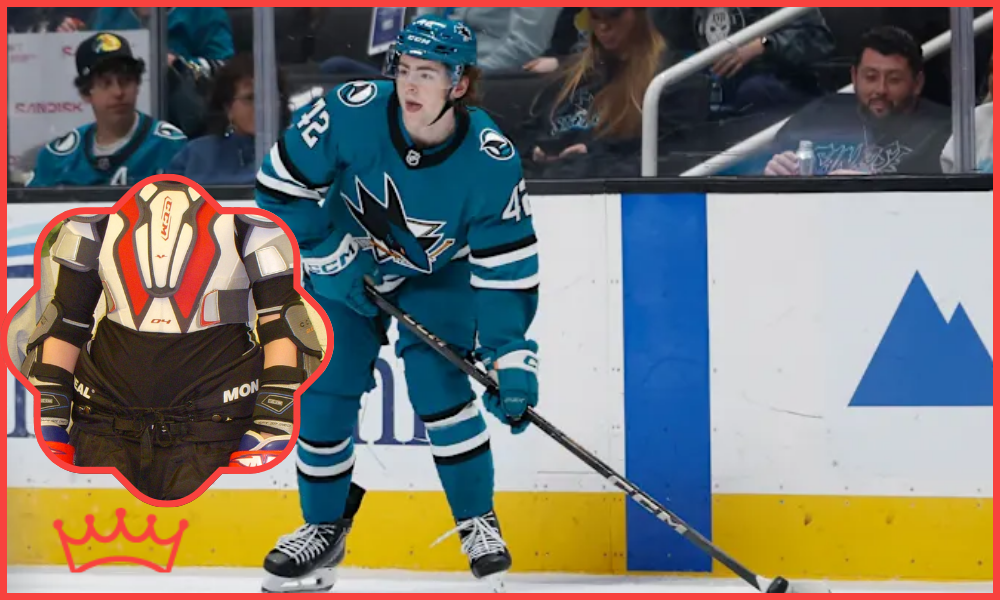
The phrase “netminders bones” sounds dramatic, but it captures a very real question at the heart of ice hockey: how does a goalie stand in front of a vulcanized rubber puck that weighs about 6 ounces and can travel at more than 100 mph without suffering constant catastrophic injury? Standard ice hockey pucks are roughly 3 inches in diameter, 1 inch thick, and about 6 ounces in weight, and high-level shots can exceed 100 mph.
Quick Facts
| Category | Details |
|---|---|
| Focus Keyword | netminders bones |
| Main Topic | Ice hockey goalie protection |
| Core Question | How goalies avoid broken bones and major injury |
| Key Risk | High-speed puck impact |
| Standard Puck Weight | About 6 ounces / 170 grams |
| Typical High-End Shot Speed | 100 mph or more |
| Main Protection | Pads, gloves, mask, chest/arm gear, technique |
| Governing Safety Reference | USA Hockey goalkeeper equipment rules |
| Main Reason Goalies Survive Impacts | Energy absorption, force distribution, angle control, body positioning |
What “Netminders Bones” Really Means
In hockey language, a netminder is a goalie. So when people search for “netminders bones,” they are really circling around a bigger concern: how a goalie’s skeleton survives repeated impact from pucks, collisions, awkward falls, and intense movement in the crease. The phrase is not just about literal broken bones. It also points to durability, pain tolerance, protective equipment, and the constant balancing act between flexibility and safety. Goaltending is one of the most punishing positions in sport because the athlete is exposed to direct force over and over again, often from close range and with very little reaction time.
Why a Hockey Puck Is So Dangerous
A hockey puck is small, hard, dense, and fast. Britannica notes that the puck is made of vulcanized rubber, weighs about 6 ounces, and can move at speeds of more than 100 miles per hour. That combination matters because danger is not created by weight alone. It comes from speed, impact concentration, and the tiny area over which that force is delivered. A puck does not hit like a broad padded object. It hits like a compact projectile. That is why an unprotected impact can lead to bruising, fractures, facial trauma, hand injuries, or serious chest and throat danger.
Why Goalies Are Not Constantly Breaking Bones
The answer is not that goalies are somehow immune to pain. The real answer is protection by design. Modern goaltender equipment is built to absorb, spread, and redirect force before that force reaches vulnerable bone. Large leg pads reduce concentrated impact on the shin and knee area. Chest and arm protectors distribute blows over wider surfaces. Catching gloves and blockers protect small hand bones that would otherwise be exposed to direct puck trauma. Masks and cages prevent facial fractures and life-changing head injuries from being far more common than they already are. The body still feels the shot, but the equipment changes how that energy reaches it.
The Role of Energy Absorption
When people imagine puck impact, they often picture a puck slamming directly into bone. In reality, quality goalie equipment works like a layered system. Outer surfaces resist penetration and shape loss. Inner foams and structured padding compress, slow the force, and spread it over a larger area. That matters because a narrow, focused impact is more likely to injure bone than a force distributed across a wider protective zone. The point of gear is not to make pain disappear. The point is to reduce the chance that the skeleton takes the full blow all at once.
Why Distribution of Force Matters So Much
A bare puck striking a wrist, collarbone, or kneecap can be dangerous because the contact point is small. That creates concentrated stress. Protective gear changes that physics. Instead of allowing a puck to strike one tiny point sharply, pads and layered materials spread the impact through thickness, shape, and surface area. This is one reason the visual size of goalie equipment matters so much. It is not only about blocking more net. It is also about converting a violent point impact into something the body has a much better chance of tolerating.
Why Technique Protects Bones Too
Goalie survival is not only about equipment. Technique matters almost as much. Elite goaltenders do not simply stand still and hope the gear saves them. They use angles, body position, balance, and controlled movement to take pucks in safer ways whenever possible. A shot that hits the square face of a properly positioned chest protector is very different from a shot that catches a goalie while twisting, reaching, or off-balance. Good technique lets the strongest and best-protected parts of the body receive the puck. Poor technique exposes smaller joints, the neck area, the hands, and awkward bone angles.
The Butterfly Style Changed Protection Demands
Modern hockey has been shaped by the butterfly style, where goalies drop low with the knees bent outward and pads flared to seal the lower part of the net. That technique made pad design far more important than before. It also changed stress points on the hips, groin, knees, and lower back. A goalie may stop more pucks with the lower body now, but that also means the lower skeleton and surrounding joints take repetitive strain. So when people think about netminders bones, they should think beyond fractures. Goaltending also involves wear, stress, inflammation, and long-term structural punishment.
The Mask Is One of the Biggest Reasons Goalies Survive
Old hockey footage looks shocking to modern viewers because of how little facial protection early goalies had. Today, the goalie mask is essential. It protects the skull, jaw, cheekbones, nose, teeth, and eyes from direct impact. It also helps reduce the chance that a violent puck strike turns into a devastating facial injury. This does not mean masks eliminate danger entirely, especially when considering concussion risk, but without them the conversation around netminders bones would be far more brutal. The mask transformed goaltending from reckless exposure into something at least partly engineered for survival.
Hand Protection Is More Important Than Many Fans Realize
The hands contain many small bones that are vulnerable to direct force. A goalie’s blocker and catching glove are therefore critical pieces of protective design, not just tools for saving shots. USA Hockey’s Rule 303 sets measurement and construction standards for goalkeeper equipment, including glove and blocker dimensions, because this gear must protect while still fitting within the rules of fair play. Standardization also matters for safety because poorly fitted or excessively altered gear can expose the hands and wrists to avoidable injury.
Chest and Arm Protection Does More Than Stop Bruises
The chest and arm protector shields ribs, sternum, shoulders, collarbone regions, elbows, and upper arms. This area is one of the clearest answers to the “bones” question. Without structured chest and arm protection, goalies would face much higher risks of fractures in the upper body from repeated high-speed impact. USA Hockey also publishes goalkeeper equipment guidelines and measurement standards that reflect how central this gear is to safe play.
Neck and Throat Safety Became a Bigger Focus
Hockey safety discussions have increasingly paid attention to neck and throat protection. In 2024, USA Hockey announced that neck laceration protection would be mandated for players under 18, reflecting broader concern over serious injury risk in the sport. While that rule was not only about goalies, it shows how equipment standards keep evolving in response to real danger. For netminders, throat and neck exposure has always been one of the most frightening risk areas because hard pucks, sticks, and skates can all create severe outcomes.
Not Every Injury Is a Broken Bone
The phrase “netminders bones” naturally makes people think of fractures, but many goalie injuries are not simple broken-bone stories. Bruises, nerve stingers, joint sprains, hip irritation, groin damage, hand trauma, and concussion-related issues can be just as serious for performance and long-term health. A goalie can survive a shot without a fracture and still suffer substantial pain or reduced mobility. This is why modern goalie training is tied to mobility, flexibility, reaction control, and core stability as much as raw toughness. Research on goaltender physiology also highlights how strength and stability affect movement power and control.
Why Bone Health Still Matters Behind the Pads
Protective gear is not magic. If a goalie has poor conditioning, weak recovery habits, or compromised bone and joint health, even excellent equipment has limits. Stronger muscles can help stabilize movement and reduce bad positions at the moment of impact. Better mobility can prevent awkward falls. Stronger core control can improve save mechanics. All of that indirectly protects the skeleton. In other words, netminders bones are protected by gear, but also by the athlete’s physical preparation and body control.
The Mental Side of Taking Repeated Shots
There is also a psychological element to goalie protection. Athletes who flinch, turn away badly, or lose structure under pressure are more likely to expose fragile areas of the body. Calmness, tracking ability, and disciplined positioning reduce that risk. The best goalies make violent moments look routine because their technique and mental control keep them behind the puck. Fear is natural. Disorder is dangerous. That is one reason elite goaltending is so respected: the position demands courage, but it rewards precision.
Why This Topic Keeps Fascinating Readers
People keep searching unusual phrases like “netminders bones” because hockey creates a strange visual contradiction. A goalie can take a shot that sounds explosive, barely move, and continue the game as if nothing happened. To a casual viewer, that feels almost impossible. The truth is less magical and more impressive. It is a combination of material science, safety standards, biomechanics, pain tolerance, and thousands of hours of technical training. Hockey makes that whole system visible in split-second moments.
The Real Answer Behind Netminders Bones
So how does a puck not shatter a netminder’s bones? Sometimes the honest answer is that protection works well enough to prevent the worst-case outcome, but not always well enough to prevent pain. Goalie gear absorbs and spreads impact. Proper positioning presents safer surfaces to the puck. Safety rules limit how equipment is designed and worn. Better masks, chest protectors, gloves, pads, and neck awareness all reduce risk. The sport is still dangerous, but it is survivable because modern goaltending is built on controlled protection rather than simple toughness.
Conclusion
The keyword “netminders bones” may sound rough and unusual, but it points to one of the most compelling realities in hockey: goalies survive extreme impact because the sport has evolved around protection, structure, and technique. A standard puck is hard, compact, and fast enough to do serious damage, yet goaltenders step in front of it repeatedly because modern equipment is designed to absorb force and spread it away from the most vulnerable bones and joints. That does not make the position safe in any absolute sense. It makes it manageable enough for elite athletes to perform under extraordinary conditions.
The deeper truth is that goalie protection is not one thing. It is a complete system. Gear design matters. Rules matter. Technique matters. Training matters. Recovery matters. Even the mental side matters. When fans ask how a six-ounce puck does not constantly destroy a goalie’s body, the answer lies in the way all those pieces work together. Netminders are not protected by luck alone. They are protected by engineering, discipline, and years of adapting the body to one of sport’s most punishing jobs.
FAQs
What does netminders bones mean?
It refers to the idea of how hockey goalies protect their bodies, especially their skeleton and joints, from high-speed puck impacts and other physical stress.
How heavy is a hockey puck?
A standard ice hockey puck weighs about 6 ounces, or roughly 170 grams.
Can a hockey puck break bones?
Yes. An unprotected or poorly protected impact can cause fractures or other serious injuries, especially at high speeds.
Why do goalies not get injured on every shot?
Because modern goalie gear absorbs and distributes force, and skilled goaltenders use technique to present safer body positions to the puck.
Does goalie equipment follow official rules?
Yes. Organizations such as USA Hockey set standards and measurement rules for goalkeeper equipment.
Is goalie safety only about pads?
No. It also depends on mask design, neck protection, technique, mobility, conditioning, and game awareness.
You may like
ENTERTAINMENT
Who Is Michal Mrazik? His Hockey Career, Lifestyle, and Life After Retirement
Published
2 months agoon
May 7, 2026By
Bryan
Michal Mrazik is a former Slovak ice hockey forward who drew attention as a promising prospect thanks to his size, skill set, and appearances in Slovak national-team rosters at major junior tournaments. Public profiles list him as born on July 30, 2001, in Liptovský Mikuláš, Slovakia, playing right wing or center, shooting right, and standing around 6’4″.
Quick Bio
| Category | Details |
|---|---|
| Full Name | Michal Mrazik |
| Nationality | Slovak |
| Birth Date | July 30, 2001 |
| Birthplace | Liptovský Mikuláš, Slovakia |
| Profession | Former professional ice hockey player |
| Position | Forward (RW/C) |
| Shoots | Right |
| Height | 194 cm / 6’4″ |
| Weight | Around 100 kg / 220 lbs |
| Known For | Slovak hockey prospect, international junior appearances, early retirement |
| Current Status | Retired from professional hockey |
Who Is Michal Mrazik?
Michal Mrazik is best known in hockey circles as a Slovak forward who progressed through junior and professional systems in Europe and North America before his career was cut short by injuries. He is not a mainstream celebrity in the usual entertainment sense, but he has become an increasingly searched name because his story mixes athletic promise, adversity, and reinvention. Public hockey databases and league profiles consistently identify him as a forward with a pro path that included Sweden, Slovakia, the ECHL, and a brief AHL appearance.
What makes Michal Mrazik especially interesting is that his story does not end with hockey statistics. In late 2024, reporting from the Professional Hockey Players’ Association said he had announced his retirement after not playing in the 2023–24 season because of injuries. That added a very different dimension to his public profile. Instead of being known only as a prospect, he also became known as a young athlete forced to rebuild his life earlier than expected.
Early Life and Slovak Background
Michal Mrazik was born in Liptovský Mikuláš, a Slovak city that appears consistently across his hockey profiles and league listings. Elite Prospects also lists HK Liptovský Mikuláš as his youth team, which fits the common development path of players who grow up in strong local hockey cultures before moving into larger European systems. Those early roots matter because they help explain how he developed into a player with both physical presence and competitive ambition.
Like many young players from Slovakia, Mrazik seems to have built his reputation first through youth and junior competition rather than through heavy mainstream media coverage. That is why most of the reliable public information about him comes from hockey databases, team profiles, and tournament rosters instead of lifestyle interviews or celebrity publications. Even so, those records are enough to show that he was considered a serious enough talent to keep advancing through respected hockey environments.
Michal Mrazik’s Height, Build, and Playing Profile
One of the first things that stands out about Michal Mrazik is his size. Public profiles from Elite Prospects and NHL.com list him around 6’4″ and roughly 220 pounds, while hockey databases place him in a very similar range. That kind of frame naturally made him notable as a forward because it suggests strength, reach, and the ability to play a direct game.
He was listed as a RW/C, meaning he could be used on the wing or at center, which usually indicates some level of tactical flexibility. For teams evaluating prospects, that versatility can be valuable. It allows a player to fit different line combinations and roles. Even though the public record does not provide a deep scouting report in one single official source, the repeated position listings and his progression through competitive systems suggest that Mrazik was seen as more than just a physically big player.
International Exposure and Junior Recognition
Michal Mrazik’s name appears on Slovakia’s roster pages for the 2020 and 2021 World Junior Ice Hockey Championships. In the 2021 roster listing, he appears as an alternate captain for Slovakia, which is one of the clearest signals in the public record that he was trusted within that age group and national-team environment.
His junior international presence was not limited to one event. QuantHockey listings also show him in Slovakia’s U18 World Championship records and in Hlinka Gretzky Cup records, where his numbers suggest meaningful offensive contributions at the youth international level. These appearances matter because they place him among players representing their country in key developmental tournaments, which is often where future professional careers gain momentum.
Club Journey Through Europe and North America
Public hockey records show that Mrazik spent an important part of his development with Linköping’s junior setup in Sweden. Elite Prospects lists his junior years there, and the 2021 World Juniors roster also places him with Linköping HC. Sweden’s junior hockey environment is highly respected, so that part of his résumé says a lot about the level at which he was developing.
Later, his path moved into North America. HockeyDB, the AHL, and the ECHL all show parts of that transition. He appeared with the Tucson Roadrunners in the AHL and played for the Atlanta Gladiators in the ECHL during the 2022–23 season. InsidetheRink reported that he had 13 points in 31 games with Atlanta before later returning to the Slovak hockey environment.
This matters because not every junior player successfully reaches North American pro hockey, even at the minor-league level. The move itself reflects both ambition and a degree of recognition. It shows that Michal Mrazik was not just a local name. He had a career path that crossed borders and put him in systems where players often compete for bigger opportunities.
Injuries and the End of His Playing Career
The most defining turning point in Michal Mrazik’s story is the one that came too early. According to the PHPA, he did not play a single game in the 2023–24 season and announced his retirement from professional hockey in October 2024 due to injuries. That update is especially important because some sports databases still show older or inconsistent status information, while the PHPA article gives a clearer narrative explanation.
In other words, his retirement story is not just a rumor pulled from fan pages. It is part of a broader public account of an athlete dealing with the reality that a career can end before its prime. That is likely one of the main reasons people began searching his name more often. Sports fans are often drawn to stories of unrealized potential, especially when they involve a player who looked capable of climbing higher.
Life After Hockey
Michal Mrazik’s public story did not stop when he left the rink. The PHPA profile and book-related pages show that he shifted into telling his story more directly through writing. His book, Life Doesn’t End Up Here, is presented as a personal account of loss, identity, and finding a new direction after the end of a dream. The official launch site also frames the book around the idea that his hockey career ended at 23 and that the next chapter became about rebuilding.
That development gives his biography a very different emotional shape from a standard athlete profile. Instead of a typical “career highlights only” narrative, Michal Mrazik’s public image now includes resilience and transition. For readers, that makes him more compelling than a name found only in stats tables. His story becomes less about one season or one team and more about how a person responds when a lifelong goal suddenly disappears.
Michal Mrazik Net Worth
There does not appear to be a reliable, publicly confirmed net-worth figure for Michal Mrazik in authoritative sports or biographical sources. Most credible public records about him focus on hockey profiles, team history, tournaments, and his retirement story rather than verified financial disclosures. Because of that, any exact number circulating online should be treated carefully unless supported by direct evidence.
What can be said with confidence is that his earnings would have come primarily from professional hockey rather than from celebrity entertainment, business empires, or mainstream endorsement culture. His public profile is much closer to that of a professional athlete navigating league systems than a media figure monetizing fame. So while “net worth” is a popular search phrase, the public record is stronger on his career path than on his finances.
Lifestyle and Public Image Today
Michal Mrazik’s current public image feels much more restrained than that of many modern athletes. He is not known mainly for celebrity relationships, controversy, or a flashy public persona. Instead, the strongest public impression is of a former player whose story became meaningful because of how abruptly his sports path changed. The shift toward authorship and reflection reinforces that image.
His lifestyle today appears to be discussed publicly more in terms of recovery, transition, and self-discovery than luxury or fame. That difference is important. It changes how readers understand him. Michal Mrazik is not interesting because he built a glamorous celebrity brand. He is interesting because he represents a very human sports story: talent, hard work, setbacks, and the challenge of starting over.
Why Michal Mrazik Is Being Searched More
There are several reasons his name has become more noticeable online. First, people search athletes when a promising career takes an unexpected turn. Second, retirement at a young age naturally raises curiosity. Third, when that athlete then shares a more personal story through an interview or book, public interest widens beyond sports-only audiences.
Michal Mrazik also benefits from being the kind of subject that fits both sports and biography-style content. Searchers want to know who he is, what happened to his career, what teams he played for, and what he is doing now. Because the available public details are real but still somewhat limited, that curiosity keeps growing rather than fully settling. There is enough information to build interest, but not so much that the mystery disappears.
Conclusion
Michal Mrazik is a strong example of how an athlete’s story can remain compelling even when the original dream changes course. Public records show a Slovak forward with size, versatility, international youth recognition, and a path through respected hockey environments in Sweden, Slovakia, the ECHL, and the AHL. They also show something harder: a career cut short by injuries at a very young age.
That is why his biography stands out. He was not just another player listed in old rosters. He was someone who seemed to be building toward more, then had to confront a different future. The fact that he later turned to sharing that journey through a book makes his story feel even more complete. For readers searching “michal mrazik,” the most honest answer is that he is both a former hockey prospect and a symbol of resilience after sport.
FAQs
Who is Michal Mrazik?
Michal Mrazik is a former Slovak professional ice hockey forward who played in Europe and North America and later retired because of injuries.
What position did Michal Mrazik play?
He was publicly listed as a forward who could play right wing or center and shot right.
How tall is Michal Mrazik?
Major hockey profiles list him at about 194 cm, or 6’4″.
Did Michal Mrazik play for Slovakia internationally?
Yes. His name appears on Slovakia’s rosters for the 2020 and 2021 World Junior Ice Hockey Championships, and he also appears in U18 and Hlinka Gretzky Cup records.
Why did Michal Mrazik retire?
The PHPA reported that he announced his retirement in October 2024 due to injuries after not playing during the 2023–24 season.
What is Michal Mrazik doing now?
Publicly available sources show him connected to the book Life Doesn’t End Up Here, which focuses on his life after hockey and the process of starting over.
ENTERTAINMENT
Who Is Laney Choboy? Inside the Rise, Volleyball Career, and Private Life of Nebraska’s Defensive Star
Published
2 months agoon
May 7, 2026By
Bryan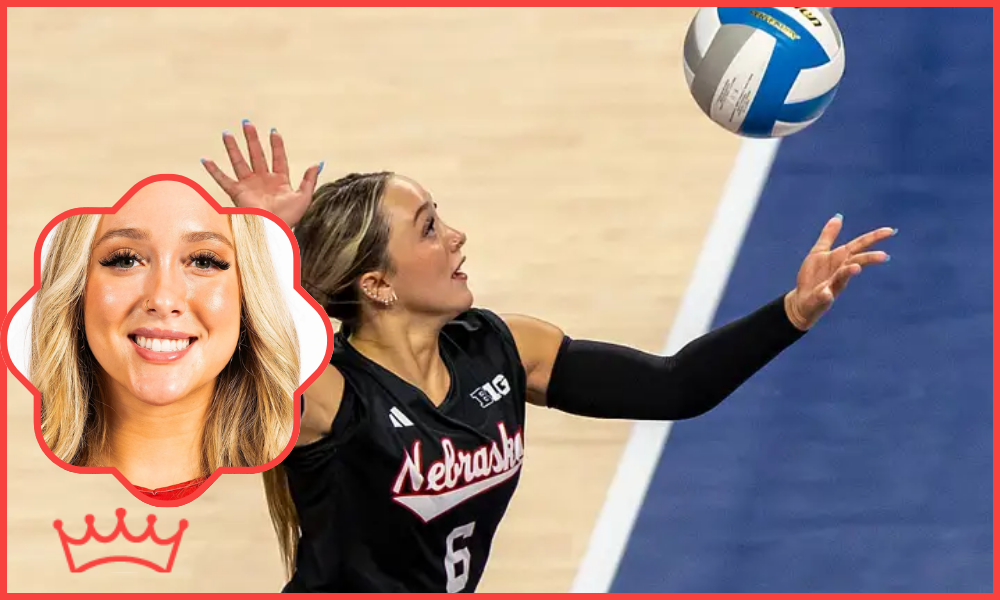
Laney Choboy is one of the most talked-about young names in college volleyball because of the energy, discipline, and defensive impact she brings to Nebraska’s program. While many fans first notice her because of her quick movement and fearless floor play, her story is about far more than athletic hustle. Choboy has steadily built a reputation as a high-level defensive specialist and libero who combines consistency with intensity, and that has made her an important part of Nebraska volleyball’s recent success. Her background, national team experience, and college growth have all helped turn her into a player many fans now want to know more about.
Quick Bio
| Category | Details |
|---|---|
| Full Name | Laney Choboy |
| Position | DS/Libero |
| Current Team | Nebraska |
| Height | 5 ft 3 in |
| Year | Senior |
| Hometown | Raleigh, North Carolina |
| High School | Leesville Road High School |
| Known For | Nebraska volleyball, defensive play, libero skills |
| Honors | AVCA All-Region Team, All-Big Ten Second Team |
| Current Status | Active college volleyball player |
Who Is Laney Choboy?
Laney Choboy is a Nebraska volleyball player who has become known for her role as a defensive specialist and libero. On Nebraska’s official 2026 spring roster, she is listed as a senior from Raleigh, North Carolina, standing 5-foot-3 and wearing jersey No. 6. That basic profile already tells part of the story, but what makes Choboy stand out is how much she has achieved through skill, awareness, and relentless effort rather than size alone. In a sport where height often gets the headlines, she has built her identity around speed, timing, reading the court, and making plays that can change momentum in critical moments.
Her Background and Hometown Story
Laney Choboy’s roots trace to Raleigh, North Carolina, where she attended Leesville Road High School before joining Nebraska. That background matters because many strong college players build their reputations slowly through club volleyball, high school success, and recruiting rankings long before the national audience knows their names. Choboy followed that path with impressive consistency. By the time she reached Nebraska, she was already regarded as one of the top recruits in her class, which shows that her rise did not happen by accident. It was the result of years of disciplined development, competitive experience, and high-level preparation.
High School Career That Built Her Reputation
Before Nebraska, Choboy had already established herself as an elite prospect. Nebraska’s official bio notes that she attended Leesville Road High School, was selected to play in the 2022 Under Armour All-America Game, and was named a MaxPreps High School First-Team All-American. She also played as a hitter in high school and averaged a team-best 3.6 kills per set and 4.3 digs per set as a senior in 2022. That detail is especially important because it shows she was not just a one-dimensional back-row player. She had a wider skill set, contributing both offensively and defensively, which likely helped shape the complete court awareness that defines her game today.
Club Volleyball and Early Competitive Growth
Choboy also played club volleyball for NC VB Academy, where Nebraska says she was a three-time club MVP. That type of recognition says a lot about how coaches and teammates viewed her influence. Club volleyball is often where top prospects sharpen technique, build mental toughness, and prove they can perform in demanding tournament environments. For Choboy, that stage appears to have been central to her development. Nebraska’s bio also says PrepVolleyball.com ranked her No. 8 overall and the No. 1 libero recruit, which confirms that she arrived in college with national-level expectations already attached to her name.
International Experience Added to Her Profile
One reason Laney Choboy’s story stands out is that she was not limited to local or school-level success. According to Nebraska, she won gold with the U.S. Girls U19 Team at the 2022 Pan American Cup and was named the tournament’s Best Receiver. She also competed on the U.S. Girls U18 Team at the 2021 FIVB World Championships, where the team earned bronze. These international experiences matter because they suggest she developed under pressure against strong competition from an early age. Players who thrive in those settings often bring greater maturity and composure to college volleyball, and that appears to be true in Choboy’s case as well.
Starting Her Nebraska Career
Choboy joined Nebraska and quickly saw action. In 2023, her freshman season, Nebraska reports that she played in 34 matches and averaged 1.82 digs per set, along with 37 set assists and 14 service aces. She also recorded a season-best 14 digs in a five-set win at Purdue and had 13 digs in a regional final win over Arkansas. For a freshman in a nationally watched program, those numbers reflect trust from the coaching staff and an ability to contribute in meaningful matches. She was not simply developing in the background. She was already helping Nebraska in real competition, and that early involvement laid the foundation for a bigger role later.
Sophomore Season and Steady Development
In 2024, Choboy played in all 36 matches and averaged 1.53 digs per set with 36 set assists. Her season included a high of 12 digs against Creighton, along with strong defensive matches against Purdue, Wisconsin, and Penn State. While those numbers may not look flashy to casual readers, they show steady value in one of the toughest volleyball environments in the country. Defensive specialists are often judged by consistency, positioning, and reliability, not just by giant stat lines. Choboy’s sophomore year showed she could keep contributing across a full season while adjusting to the demands of a top program.
Junior Breakout and Bigger Recognition
The clearest jump in Laney Choboy’s college career came in 2025. Nebraska says she earned AVCA All-Region Team honors, All-Big Ten Second Team recognition, and a spot on the AVCA All-First Serve Team. She also averaged a team-high 2.71 digs per set with 12 aces and 107 set assists. Those are the kinds of achievements that move a player from “promising” to “established.” She was no longer just a useful piece in the rotation. She had become one of the most important defensive players on the roster and one of the notable back-row performers in the conference.
Big Matches That Shaped Her Rise
Nebraska’s official bio highlights several major performances from 2025 that show Choboy’s impact in pressure situations. She posted a career-high 20 digs and two aces in a sweep of Illinois, then followed that with 15 digs in a win at Minnesota, which helped earn her Big Ten Defensive Player of the Week on Nov. 10, 2025. She also had 16 digs and six assists in a season-opening win over Pitt, plus strong contributions against UCLA, Kansas State, and Penn State. These performances matter because they came against respected opponents. When a player repeatedly delivers in that kind of competition, it becomes much easier to understand why fans and analysts begin paying closer attention.
What Makes Laney Choboy Special on the Court
What stands out most about Laney Choboy is how she maximizes her role. At 5-foot-3, she does not fit the typical height profile many casual fans associate with volleyball stars, yet her game reminds people that back-row excellence is built on reading hitters, reacting fast, holding technique under pressure, and keeping rallies alive. Her official record at Nebraska shows strong dig totals, service contributions, and set assists, which together paint the picture of a player who understands the flow of the game. She is the kind of athlete who can energize a team through effort and timing, even when the play looks almost lost.
Honors That Reflect Her Progress
Choboy’s list of awards also helps explain why she is becoming such a respected name. Nebraska lists her as a 2025 AVCA All-Region selection, an All-Big Ten Second Team honoree, and a Big Ten Defensive Player of the Week. Her résumé also includes Academic All-Big Ten recognition in 2024 and 2025, plus Nebraska Scholar-Athlete Honor Roll and Tom Osborne Citizenship Team honors across multiple years. Those details matter because they show her profile is not built only on one good stretch of play. Instead, it reflects athletic performance, academic consistency, and long-term contribution to the program.
Beach Volleyball Added Another Layer
Another interesting part of Choboy’s Nebraska experience is that she also competed in beach volleyball. Nebraska’s bio says she went 14-6 in 2023 and then 16-11 overall in 2024, including matches with multiple partners. That experience may not get as much attention as the indoor season, but it still adds depth to her athletic profile. Beach volleyball demands movement, reading, adaptability, and ball control in a different setting, and those qualities can support an indoor player’s development. It also reinforces the idea that Choboy is a versatile athlete with a broad understanding of the sport.
The Private Side of Her Life
Like many college athletes, Laney Choboy draws public attention mainly because of her game rather than because of a highly public personal life. The most reliable public information available centers on her volleyball career, honors, school background, and roster details. That means her off-court story remains relatively private compared with athletes who constantly make headlines for non-sport reasons. In many ways, that privacy helps keep the focus where it belongs: on her work, discipline, and competitive growth. Fans may search for details about her personal life, but her current public identity is still defined first by performance and team contribution.
Why Fans Keep Searching for Her
There are several reasons people keep searching for Laney Choboy. First, Nebraska volleyball has one of the biggest and most passionate followings in college sports, so standout players naturally attract attention. Second, Choboy’s style of play is memorable. Defensive players who throw themselves into rallies and make difficult saves often leave a strong impression on viewers. Third, her rise has been steady and credible. She came in as an elite recruit, represented the United States internationally, earned conference and regional honors, and kept improving. That kind of path creates real curiosity because fans want to understand both the athlete and the process behind the success.
What Her Future Looks Like
As of Nebraska’s spring 2026 roster, Choboy is listed as a senior, which places her in an important stage of her college career. Players at that level are often expected to bring leadership as well as performance. Based on the honors she has already collected and the improvement shown in recent seasons, she appears positioned to remain one of Nebraska’s key back-row players. Her long-term future beyond college is not something that can be stated with certainty yet, but her résumé already shows the kind of experience and recognition that can keep doors open in volleyball. Whether fans follow her for her Nebraska career, her defensive skill set, or her broader growth as an athlete, there is a strong reason her name continues to rise.
Conclusion
Laney Choboy’s story is compelling because it combines elite recruiting status, international experience, and steady college development into one clear rise. She came to Nebraska with strong credentials, but she has continued to build on them rather than relying on hype alone. From high school honors and national-team success to conference recognition and key performances for Nebraska, her path shows how preparation and consistency can shape a standout college career.
She is also a reminder that impact in volleyball is not measured by height alone. Her role as a defensive specialist and libero has made her one of the most recognizable effort-driven players in Nebraska’s program, and her progress through multiple seasons shows why fans admire her game. For readers searching “Laney Choboy,” the answer is simple: she is not just a talented player on a famous team. She is a proven competitor whose career has been built on discipline, court awareness, and visible growth at every stage.
FAQs
Who is Laney Choboy?
Laney Choboy is a Nebraska volleyball player who plays as a defensive specialist/libero. She is listed on Nebraska’s spring 2026 roster as a senior from Raleigh, North Carolina.
What position does Laney Choboy play?
She plays DS/Libero for Nebraska.
How tall is Laney Choboy?
Nebraska lists her height as 5-foot-3.
Where is Laney Choboy from?
She is from Raleigh, North Carolina, and attended Leesville Road High School.
What are Laney Choboy’s biggest honors?
Her listed honors include AVCA All-Region Team, All-Big Ten Second Team, AVCA All-First Serve Team, and Big Ten Defensive Player of the Week in 2025.
Did Laney Choboy play for Team USA?
Yes. Nebraska says she won gold with the U.S. Girls U19 Team at the 2022 Pan American Cup and earned bronze with the U.S. Girls U18 Team at the 2021 FIVB World Championships.
What made her a top recruit?
Nebraska says PrepVolleyball.com ranked her No. 8 overall and the No. 1 libero recruit, reflecting how highly she was regarded before college.
ENTERTAINMENT
What Is Wooly Willy? The Classic Magnetic Toy’s History, Appeal, and Lasting Pop Culture Charm
Published
2 months agoon
May 1, 2026By
Bryan
Wooly Willy is one of those rare toys that feels simple at first glance yet instantly memorable once you use it. Built around a cartoon face, loose magnetic material, and a wand that lets players shape hair, eyebrows, mustaches, and funny expressions, the toy turned a basic concept into a lasting classic. Part of its charm comes from how easy it is to understand and how fun it is to reset and try again. Even the science behind it adds to its identity, because the “hair” effect comes from magnetic particles related to iron filings, which are drawn around the face with the wand. Wooly Willy has remained popular for generations because it combines creativity, humor, portability, and nostalgia in a format that never really goes out of style.
Quick Bio
| Category | Details |
|---|---|
| Name | Wooly Willy |
| Type | Classic magnetic toy |
| Introduced | 1955 |
| Created By | James Herzog |
| Place of Origin | Smethport, Pennsylvania |
| Core Play Idea | Use a magnetic wand to move magnetic material and create facial hair and hairstyles |
| Known For | Simple creative play and long-lasting nostalgia |
| Brand Connection | Associated with PlayMonster today |
| Recognition | Often cited among classic mid-20th-century toys |
| Current Appeal | Nostalgia, collecting, and simple screen-free fun |
What Is Wooly Willy?
Wooly Willy is a classic magnetic drawing toy built around a printed face inside a sealed frame. Players use a magnetic wand to pull the dark magnetic material upward and arrange it into beards, sideburns, eyebrows, mustaches, or wild hairstyles. Then, when they want to start over, they simply lay it flat or tilt it so the material drops back down. That reset feature is one of the reasons the toy has stayed relevant for so long. It does not need batteries, it does not require instructions beyond a few seconds of demonstration, and it encourages imagination in a way that feels immediate and playful. PlayMonster describes it as a toy born in Smethport, Pennsylvania, in 1955, and still celebrated today for its novelty and ease of use.
The Origin of Wooly Willy
The story of Wooly Willy begins in Smethport, Pennsylvania, where James Herzog developed the toy in 1955. According to PlayMonster’s history page and a Pennsylvania literary and cultural heritage feature, Herzog was inspired by magnetic dust or grindings on the factory floor. Instead of treating that material as waste, he saw creative potential in it. That insight led to a toy that looked almost too simple to become a hit. Yet that simplicity became the entire point. The face, the wand, and the magnetic material created a play pattern that children understood instantly. Wooly Willy was not designed around flashing lights or complicated mechanics. It succeeded because it turned one clever idea into a repeatable, satisfying activity.
Who Created Wooly Willy?
James Herzog is widely credited as the creator of Wooly Willy. Sources tied to the brand and to Pennsylvania regional history both identify him as the inventor, and they connect the toy to the Herzog family’s manufacturing background in Smethport. That matters because Wooly Willy was not an accidental novelty that briefly appeared and vanished. It emerged from a place with a real toy-making and magnet-related production culture behind it. The toy’s success also reflects the strength of practical inventing. Herzog took a manufacturing byproduct and transformed it into a playful household name. In that sense, Wooly Willy is not only a toy story but also a story about creative industrial thinking.
Why Wooly Willy Became So Popular
A lot of toys fade because they are too tied to one era, but Wooly Willy avoided that problem. Its appeal came from being affordable, understandable, and endlessly replayable. PlayMonster notes that it became one of the top 40 toys of the 1950–1980 period, and the brand directly connects that rise to its low cost, easy play style, and originality. Those qualities explain why it traveled so well across generations. Grandparents could recognize it. Parents could remember it. Children could still enjoy it without needing any update to the core idea. That kind of durability is rare. The toy also has a funny side, because every child naturally wants to make the face look silly before trying a more careful design. That balance between creativity and humor gave Wooly Willy a staying power many more advanced toys never achieved.
How the Toy Actually Works
Wooly Willy works by using a magnetic wand to move small dark particles inside the sealed surface of the toy. Those particles gather where the magnetic pull takes them, which allows the player to “draw” hair and facial features onto the printed character. The science is simple enough for a child to enjoy but clever enough to remain interesting. Iron filings and similar magnetic particles align and move in response to a magnetic field, which is why the toy can create those hair-like lines and shapes. That educational edge is part of its quiet strength. Even though Wooly Willy is mostly remembered as a fun classic, it also gives children a hands-on feel for magnetism without turning the experience into a classroom lesson.
A Toy That Feels Instantly Nostalgic
Wooly Willy belongs to a category of toys that trigger instant nostalgia. The look is distinctive, the play pattern is tactile, and the results are funny every single time. People remember trying to make the “perfect” beard or hairstyle, then accidentally making the face look ridiculous instead. That is a big reason the toy still circulates in nostalgia posts, collectible toy shops, and miniature reissues. It does not depend on a franchise plot or a digital ecosystem. Instead, it depends on memory, repetition, and recognizable design. The toy’s continued visibility in classic toy conversations shows that its emotional value now extends beyond play. For many adults, Wooly Willy represents a simpler era of portable, low-tech fun.
Wooly Willy and American Toy Culture
Wooly Willy is often discussed as part of the larger history of postwar American toys. That makes sense because it arrived in 1955, a period when many iconic toys were entering homes and shaping childhood culture. The toy is also listed among notable popular toys in broader reference material, which helps place it in the landscape of enduring mid-century playthings. What makes Wooly Willy stand out, though, is that it did not rely on motion, sound, or a large accessory set. It was flat, compact, and almost minimalist. Yet it still carved out a permanent place in American toy memory. Its longevity says something important about toy culture: children do not always need complexity. Sometimes one sharp idea is enough.
The Business Story Behind the Toy
One of the most interesting parts of Wooly Willy’s history is how unlikely its commercial success first seemed. PlayMonster’s historical account says chain store toy buyers initially had little interest in it and doubted it would sell. Then a buyer at a G. C. Murphy store placed a small order almost as a challenge, only to follow up shortly afterward with an order for a thousand dozen. That detail captures the strange brilliance of the product. It did not look like a blockbuster on paper, but once people saw it in action, its appeal became obvious. This type of origin story gives Wooly Willy an underdog quality. It was underestimated, then embraced. That arc only adds to its legend.
Why Wooly Willy Still Works Today
A modern child has access to tablets, apps, streaming content, and advanced electronic toys, yet Wooly Willy can still hold attention. That says a lot about the toy’s design. It gives instant feedback. It is playful without being noisy. It encourages experimentation without pressure. There is no score to chase and no failure state. That makes it surprisingly refreshing in an age when many products are built around speed and stimulation. Wooly Willy also travels well. It is self-contained, easy to understand, and ideal for brief bursts of creative play. Those strengths help explain why the original concept still gets sold and why miniature versions also have appeal.
Wooly Willy as a Collector’s Favorite
Classic toy collectors often appreciate Wooly Willy because it sits at the intersection of design history, nostalgia, and novelty. It is instantly recognizable, strongly tied to a specific era, and still functional in the same way it was decades ago. The toy also benefits from visual branding. Even people who have not owned one in years often recognize the name and face immediately. Because it is such a strong symbol of classic toy design, Wooly Willy keeps showing up in discussions of vintage playthings and memorable American products. Unlike many collectibles that rely mostly on scarcity, Wooly Willy also has a built-in story. Collectors are not just buying a toy. They are buying a piece of childhood culture.
Reissues and Ongoing Brand Life
Wooly Willy’s continued life in the marketplace also matters. It is not remembered only through museum pages or nostalgic blog posts. It remains connected to active toy branding through PlayMonster, and smaller novelty versions such as “World’s Smallest Wooly Willy” show that the concept still has commercial life. That kind of brand survival is meaningful because many once-famous toys become historical references rather than living products. Wooly Willy has managed both. It has heritage value and retail value at the same time. That dual identity helps keep the toy relevant across age groups. Adults may buy it because they remember it, while children may enjoy it as something funny, simple, and new to them.
What Makes Wooly Willy Different From Other Classic Toys
Many classic toys are beloved because they are loud, competitive, or physically active. Wooly Willy is different. It is quiet, focused, and creative. Instead of asking the player to win, it asks the player to imagine. Instead of producing a final permanent result, it encourages endless resets. That gives it a very different rhythm from most other vintage toys. It also bridges art and science in a subtle way. Children are not only decorating a face. They are interacting with magnetism. That combination makes the toy feel more layered than its simple design suggests. It is fun on the surface, but clever underneath. That is a big reason it continues to stand apart in conversations about timeless toys.
Wooly Willy’s Lasting Legacy
The lasting legacy of Wooly Willy is not just that it sold well or stayed on shelves. Its real legacy is that it proved how durable a good play concept can be. Introduced in 1955, it continued to be recognized decades later as a classic and remains associated with nostalgic, creative, screen-free fun. Few toys from the mid-20th century still feel so instantly understandable. Fewer still still work almost exactly the same way they did at launch. Wooly Willy became part of toy history because it hit a sweet spot between novelty and replay value. It was amusing, affordable, and memorable, and those traits helped it outlast trends that once looked much bigger.
Conclusion
Wooly Willy remains one of the most charming toy success stories in American play history. It did not need electronics, complicated rules, or a huge product universe to become memorable. Instead, it relied on a single smart idea and delivered it with humor, simplicity, and repeatable fun. Created by James Herzog in Smethport, Pennsylvania, in 1955, the toy turned magnetic material into a creative little performance every time a child used the wand. That combination of clever science and silly imagination gave it a special place in households for generations.
What keeps Wooly Willy relevant now is the same thing that made it work in the first place: it is easy to love. It invites creativity without pressure, gives instant results, and resets in seconds. For adults, it carries nostalgia. For children, it still feels fresh. For collectors, it represents a classic piece of design and toy history. That rare ability to appeal across ages is why Wooly Willy continues to matter long after its first release. It is a reminder that truly great toys do not always become classics by being bigger or louder. Sometimes they become classics by being smart, simple, and unforgettable.
FAQs
What is Wooly Willy?
Wooly Willy is a classic magnetic toy that lets players use a wand to move dark magnetic particles and create hair, mustaches, eyebrows, and other facial features on a printed face.
When was Wooly Willy first introduced?
Wooly Willy was introduced in 1955.
Who invented Wooly Willy?
Wooly Willy is credited to James Herzog of Smethport, Pennsylvania.
Why did Wooly Willy become so popular?
It became popular because it was affordable, easy to use, creative, and different from other toys of its time.
Is Wooly Willy still available today?
Yes. The toy remains associated with PlayMonster, and related versions such as miniature editions are still sold.
Why is Wooly Willy considered a classic?
It is considered a classic because it has lasted for decades, inspired creative play, and remained recognizable across generations.

Who Is Michal Mrazik? His Hockey Career, Lifestyle, and Life After Retirement

Who Is Kristin Grannis? Her Private Life, Career, and Connection to Jamie Foxx

Who Is Jessica Kress? Inside Mike McCarthy’s Wife, Family Life, and Private Public Image

Who Is Jeff Gillooly? The Truth Behind the Name People Still Search

Who Is Jeanne Bernhardt? Inside Clint Eastwood’s Private Family Story

Billy Van Zandt: Career, Marriage, and Life Beyond the Spotlight
Trending
-
 CELEBRITY2 months ago
Who Is Jeff Gillooly? The Truth Behind the Name People Still Search
-
 FASHION2 months ago
Who Is Jeanne Bernhardt? Inside Clint Eastwood’s Private Family Story
-
 CELEBRITY2 months ago
Billy Van Zandt: Career, Marriage, and Life Beyond the Spotlight
-

 FASHION2 months ago
What Is slylar-box? Meaning, Uses, Features, and Why the Term Is Getting Attention
-

 CELEBRITY2 months ago
Who Is Richard Taubman? The Private Life, Marriage, Family, and Business Story Behind the Name
-

 CELEBRITY2 months ago
Who Is Devon Erickson? Inside the Case, Trial, and Lasting Public Attention
-

 CELEBRITY2 months ago
Payroll CIS Works: A Comprehensive Overview of How UK Construction Payroll and CIS Fit Together
-

 BUSINESS2 months ago
premium-packaging: Why Premium Packaging Matters More Than Ever for Modern Brands