
HEALTH
easier-for-seniors: Practical Ways to Make Daily Life Safer, Simpler, and More Comfortable



HEALTH
organic baby formula europe brands: Best Organic European Formula Brands Parents Compare in 2026

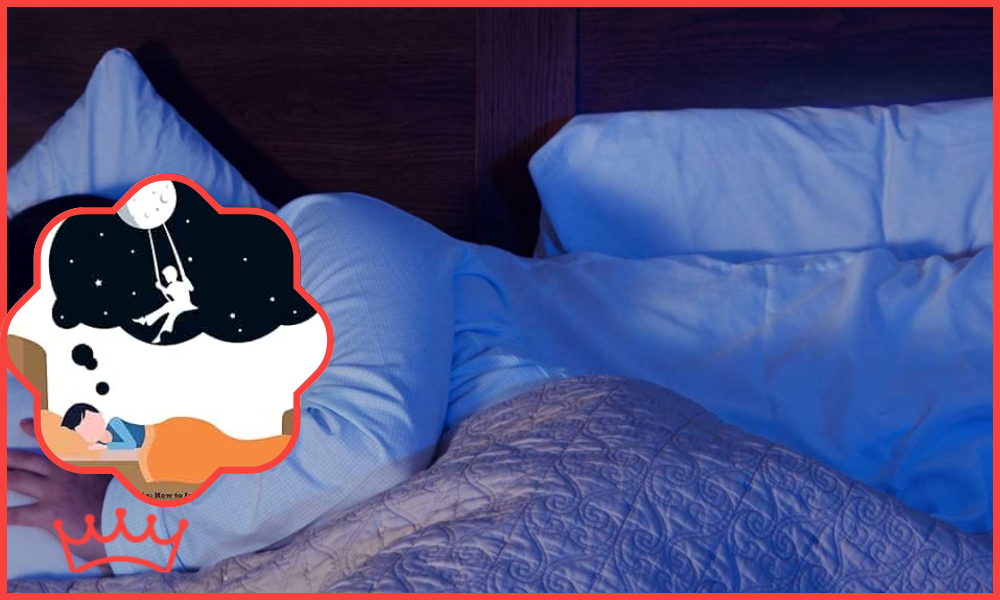
If you want to improve sleep-quality-naturally, the good news is that better sleep usually starts with small daily habits rather than one dramatic change. In many cases, the most effective steps are also the most basic: keeping a steady sleep schedule, getting daylight during the day, limiting caffeine late in the day, reducing evening screen exposure, and creating a bedroom setup that supports rest. Health sources such as the NIH, NIMH, and sleep specialists consistently point to these habits as core parts of better sleep hygiene and stronger sleep quality over time. If you are researching the topic from the ground up, even the broader idea of sleep helps explain why quality matters just as much as the number of hours you spend in bed.
Quick Facts
| Category | Details |
|---|---|
| Focus Keyword | sleep-quality-naturally |
| Main Goal | Better sleep quality through daily habits |
| Best Starting Point | Consistent sleep and wake time |
| Helpful Daytime Habit | Natural daylight exposure |
| Helpful Evening Habit | Less screen time before bed |
| Common Disruptors | Caffeine, alcohol, irregular schedule, stress |
| Bedroom Goal | Cool, dark, quiet, comfortable |
| Adult Sleep Target | At least 7 hours for most adults |
| Best Approach | Simple routine followed consistently |
| Important Note | Persistent sleep problems may need medical evaluation |
What Does Sleep Quality Naturally Really Mean?
When people search for sleep quality naturally, they are usually not asking for a miracle trick. Most are looking for realistic ways to sleep more deeply, fall a more easily, and wake up feeling less tired. That is an important difference. Sleep quality is not only about how long you . It also involves how quickly you fall a, how often you wake during the night, and whether your feels refreshing by morning. Strong hygiene supports all of that, which is why experts keep returning to routine, environment, and daytime behavior instead of promising instant results.
Why Sleep Quality Matters More Than Many People Realize
A lot of people focus only on getting through the day, so they ignore poor sleep until it begins affecting mood, focus, patience, and energy. Yet inadequate sleep is linked to reduced alertness, slower reaction time, and increased risk of health problems when it becomes long term. Most healthy adults need at least seven hours of sleep each night, but even that number does not tell the whole story because broken, low-quality sleep can still leave you drained. Better sleep quality helps your brain, energy levels, emotional balance, and day-to-day performance.
Start With the Same Sleep and Wake Time Every Day
One of the strongest natural ways to improve sleep is also one of the least exciting: go to bed and wake up at the same time every day as much as possible. The NIH specifically recommends sticking to a sleep schedule, including weekends, because your body responds well to consistency. A changing bedtime confuses your internal clock, while a regular routine trains your body to expect sleep at a certain time. This is often the first habit to fix because without a stable schedule, other sleep improvements become harder to feel.
Get Natural Daylight During the Day
Natural light exposure is one of the most overlooked tools for better sleep quality. The NIH recommends getting outside and aiming for natural sunlight during the day because it helps regulate the body’s sleep-wake rhythm. Daylight tells your brain when to stay alert, which then helps your body feel ready for sleep later at night. Even a short walk in the morning or early afternoon can support this rhythm. Many people try to fix nighttime sleep only at night, but better sleep often begins with what you do after waking up.
Be Careful With Caffeine Later in the Day
Caffeine may seem harmless when you drink it every day, but it can quietly reduce sleep quality even when it does not fully stop you from falling asleep. According to the NIH, caffeine can take six to eight hours to wear off completely, which means a late afternoon coffee or energy drink may still be affecting you at bedtime. That does not mean everyone must give up caffeine entirely. It usually means setting a cutoff time and noticing whether your current habit is making your nights lighter, more restless, or harder to start.
Reduce Evening Screen Exposure
Phones, tablets, laptops, and televisions keep many people mentally switched on much longer than they realize. Mental health guidance from NIMH notes that blue light from phones and computers can make it harder to fall asleep, and sleep guidance also recommends setting electronics aside before bedtime. This does not mean you need a perfect evening routine. It means that even a modest reduction in screens before bed can help your mind slow down. Replacing late-night scrolling with a calmer activity often improves both how fast you fall asleep and how settled you feel.
Make Your Bedroom Work for Sleep, Not Against It
A bedroom does not need to look luxurious to support better sleep, but it should make sleep easier rather than harder. Strong sleep hygiene includes creating a dark, quiet, and comfortable sleep space. A cooler room can also help many people fall asleep faster and stay asleep longer. If your room is too bright, too noisy, too warm, or closely tied to work and screen habits, your brain may not treat it as a place for deep rest. Sometimes sleep quality improves not because of a supplement or technique, but because the room itself finally supports sleep properly.
Exercise Helps, but Timing Still Matters
Exercise is widely recommended for better sleep, and the NIH encourages daily physical activity as part of healthy sleep habits. That said, timing can matter. Exercise too close to bedtime may leave some people feeling stimulated rather than sleepy. For that reason, many people do better with movement earlier in the day or at least not immediately before bed. The main point is not to create pressure around the perfect workout. It is to recognize that regular movement supports better rest, while a completely inactive routine can make sleep feel less natural and less stable.
Avoid Relying on Alcohol as a Sleep Shortcut
Some people feel sleepy after drinking alcohol and assume it helps with rest, but sleep guidance warns that alcohol before bedtime can interfere with sleep quality. In other words, it may make you feel drowsy while still setting you up for a more restless night. The same general idea applies to nicotine as well, since it is a stimulant. If better sleep is your goal, it helps to look honestly at habits that seem calming in the moment but leave you less restored by morning.
Keep Naps Short and Not Too Late
Naps are not always bad, but they can interfere with nighttime sleep when they are too long or too late in the day. The NIH advises avoiding naps after mid-afternoon and keeping naps short. Sleep guidance also commonly points to a brief early-afternoon nap as the least disruptive option. If you are trying to improve sleep quality naturally, large evening naps can keep your body from building enough sleep pressure for bedtime. The result is a frustrating cycle of late sleep, light sleep, and tired mornings.
Build a Calmer Wind-Down Routine
Many people expect sleep to happen instantly the moment they lie down, even after a full evening of work, messages, noise, and stimulation. In reality, your brain often needs a transition. A calmer bedtime routine can include reading, light stretching, a warm bath, breathing exercises, or simply doing less in the final hour before bed. Sleep guidance highlights relaxation practices and calming routines as useful supports for better rest. The exact routine does not need to be complicated. It just needs to tell your body that the day is ending.
Stress Often Sits at the Center of Poor Sleep
Even when lifestyle habits matter, stress is often the hidden reason people struggle with sleep quality. A person may improve the room, limit caffeine, and still lie awake because the mind remains active. That is why a natural sleep approach should not be reduced to mattress tips or tea suggestions alone. It should also include mental unwinding. Small habits such as journaling, slowing down your evening, reducing overstimulation, and giving yourself a consistent pre-sleep rhythm can help lower the mental intensity that keeps sleep away. NIMH’s general mental health guidance also places sleep alongside routine, self-care, and reducing behaviors that keep the mind activated.
Simple Natural Changes Usually Work Better Than Extreme Fixes
One reason people become frustrated with sleep advice is that they try too many changes at once. They buy new products, test internet trends, and keep changing routines every few days. Natural sleep improvement usually works better when you choose a few basics and stay with them long enough to see a pattern. A fixed bedtime, morning daylight, less late caffeine, fewer nighttime screens, and a cooler, darker room may sound simple, but these are exactly the habits trusted health guidance keeps recommending. Consistency is often more powerful than novelty.
When Natural Sleep Tips May Not Be Enough
Natural sleep strategies are helpful for many people, but persistent problems should not be ignored. If you regularly spend more than 30 minutes trying to fall asleep, wake often, feel unrefreshed despite enough time in bed, or have symptoms like loud snoring, gasping, or excessive daytime sleepiness, a sleep disorder may need to be ruled out. NCCIH notes that there are many sleep disorders, and long-running symptoms deserve proper medical attention rather than endless self-experimenting. Natural habits are valuable, but they are not a substitute for assessment when the problem keeps continuing.
A Better Way to Improve Sleep-Quality-Naturally
The best natural sleep plan is usually the most sustainable one. You do not need a perfect bedroom, a complicated tracker, or ten new products. What you need is a routine your body can trust. Go to bed at a similar time. Wake up at a similar time. Get daylight. Move your body. Ease off caffeine later in the day. Lower the lights and screen time at night. Keep the bedroom cool, dark, and quiet. These habits are not flashy, but they are repeatedly supported by credible health guidance because they work for many people when done consistently.
Conclusion
Improving sleep-quality-naturally is usually less about finding one secret remedy and more about giving your body the signals it has been missing. Better sleep tends to come from rhythm, environment, and repetition. A regular schedule, natural daylight, less late caffeine, fewer screens before bed, and a calmer bedroom can make a real difference over time. These steps may look simple, but they form the foundation of healthy sleep habits recommended by respected health organizations and sleep experts.
The real value of a natural sleep approach is that it focuses on habits you can actually keep. Instead of chasing complicated answers, you can build a routine that supports deeper rest night after night. And if sleep still stays poor despite those efforts, that is a sign to take the issue seriously and consider professional evaluation rather than just pushing through fatigue. Either way, better sleep starts with paying attention to what your body has been trying to tell you.
For more health and lifestyle content, visit our Lifestyle section.
FAQs
How can I improve sleep quality naturally?
Start with the basics: keep a regular sleep schedule, get daylight during the day, reduce caffeine later in the day, cut screen time before bed, and make your bedroom cooler, darker, and quieter.
What is the fastest natural way to sleep better?
There is usually no instant fix, but the quickest wins often come from a consistent bedtime, less evening screen use, and stopping caffeine too late in the day.
Does sunlight really help sleep?
Yes. Natural daylight helps regulate your internal body clock, which supports better sleep timing and nighttime rest.
Is seven hours enough sleep?
For most healthy adults, at least seven hours is the minimum recommendation, though some people need more and sleep quality still matters.
Can stress ruin sleep quality?
Yes. Stress can keep the mind active at night, making it harder to fall asleep and stay asleep, which is why a calming wind-down routine can help.
When should I get help for poor sleep?
If sleep problems keep happening, if you often wake unrefreshed, or if there are signs like loud snoring, gasping, or strong daytime sleepiness, it is wise to seek medical advice.

Who Is Michal Mrazik? His Hockey Career, Lifestyle, and Life After Retirement

Who Is Kristin Grannis? Her Private Life, Career, and Connection to Jamie Foxx

Who Is Jessica Kress? Inside Mike McCarthy’s Wife, Family Life, and Private Public Image

Who Is Jeff Gillooly? The Truth Behind the Name People Still Search

Who Is Jeanne Bernhardt? Inside Clint Eastwood’s Private Family Story

Billy Van Zandt: Career, Marriage, and Life Beyond the Spotlight
-
 CELEBRITY2 months ago
Who Is Jeff Gillooly? The Truth Behind the Name People Still Search
-
 FASHION2 months ago
Who Is Jeanne Bernhardt? Inside Clint Eastwood’s Private Family Story
-
 CELEBRITY2 months ago
Billy Van Zandt: Career, Marriage, and Life Beyond the Spotlight
-

 FASHION2 months ago
What Is slylar-box? Meaning, Uses, Features, and Why the Term Is Getting Attention
-

 CELEBRITY2 months ago
Who Is Richard Taubman? The Private Life, Marriage, Family, and Business Story Behind the Name
-

 CELEBRITY2 months ago
Who Is Devon Erickson? Inside the Case, Trial, and Lasting Public Attention
-

 CELEBRITY2 months ago
Payroll CIS Works: A Comprehensive Overview of How UK Construction Payroll and CIS Fit Together
-

 BUSINESS2 months ago
premium-packaging: Why Premium Packaging Matters More Than Ever for Modern Brands